WHAT YOU NEED TO KNOW
- Updated exit polls projected 53 seats for Netanyahu’s bloc, leaving it short of a majority in the 120 seat Knesset.
- The main opposition received a projected 49 seats, while Arab parties received 19, but those factions remain divided over governing together.
- Turnout reached 77.7%, the highest level recorded in Israel since 1999.
- President Isaac Herzog will choose the lawmaker he believes has the strongest chance of forming a government after final results are certified.
TEL AVIV, Israel. Updated exit polls early Wednesday showed Prime Minister Benjamin Netanyahu gaining ground against his political rivals, but his governing bloc remained short of a parliamentary majority as Israel faced the prospect of another political deadlock, as reported by Fox News.
A Channel 12 exit poll updated at 3:30 a.m. Israel time projected 53 seats for Netanyahu’s right wing and religious bloc. The main opposition led by former military chief Gadi Eisenkot received a projected 49 seats, while Arab parties received 19.
Together, the opposition and Arab factions would control 68 seats in the 120-seat Knesset. Yet those factions remain divided over forming a government together, leaving neither major political bloc with a clear route to power.
MORE NEWS: Angel Mom’s Heartbreaking Warning Exposes the Deadly Price of Failed Border Policies [WATCH]
Netanyahu delivered a defiant election night speech at Likud headquarters in Jerusalem, where he declared that his party had emerged as Israel’s largest. He called for the formation of a strong right-wing government.
“We are still waiting for the actual results, which we will receive over the next day or two,” Netanyahu told supporters. “Two things have become clear. The first is unequivocal: Likud is the largest party in Israel.”
“We must establish a strong national right-wing government,” he added. Netanyahu also warned against a government dependent on Arab parties, which he accused of opposing Israel’s existence.
Hours earlier, Eisenkot addressed supporters at his campaign headquarters in Tel Aviv as they celebrated projections showing the opposition ahead. Eisenkot called on Netanyahu to accept the results and step aside, though the updated figures showed just how unsettled the contest remained.
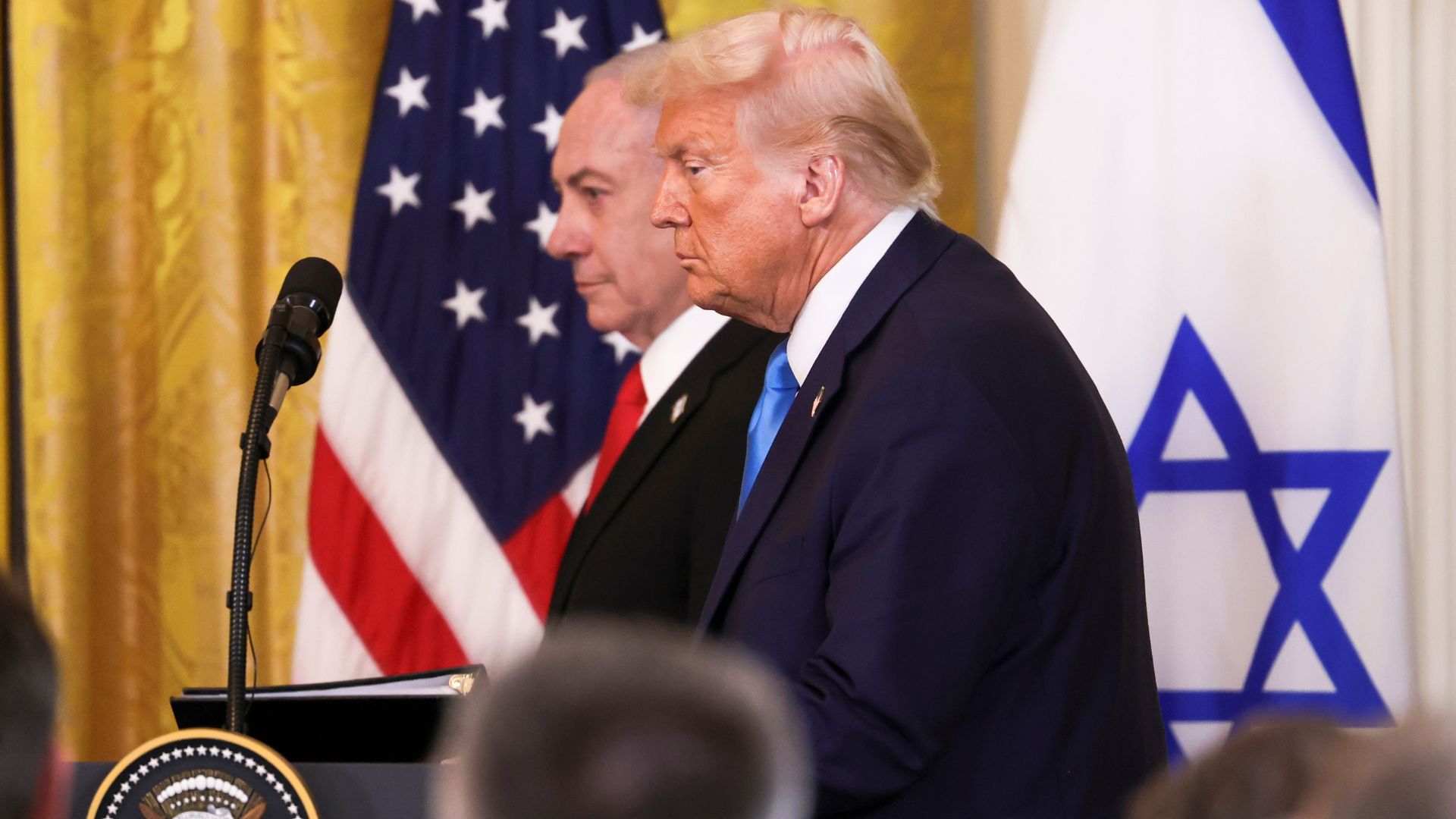
Netanyahu also said Israel faced a “once-in-a-lifetime historic opportunity” with President Donald Trump to eliminate the existential threat from Iran. Netanyahu campaigned on his record of confronting Iran and its regional proxies, Israel’s military achievements and his relationship with Trump.
The central question is which candidate will receive the first opportunity to form a government. If Eisenkot secures recommendations from at least 61 lawmakers, potentially including Arab parties, he could receive the first mandate even if Likud remains the largest individual party.
Arab parties could recommend Eisenkot without formally joining his governing coalition. Securing those recommendations, however, would not guarantee that Eisenkot could assemble a governing majority once coalition negotiations begin.
Netanyahu could still be selected to form a government despite his bloc falling short of a majority. He also could receive another opportunity if Eisenkot is selected first but fails, potentially leaving the country facing weeks of political bargaining.
The exit polls are preliminary projections rather than an official vote count, and the numbers could change as ballots are tallied. Official results are scheduled to be published by Nov. 4.
Israelis voted Tuesday in the country’s first national election since the Oct. 7, 2023, Hamas massacre. Long lines formed at polling stations as participation climbed to a level not recorded in decades.
According to Israel’s Central Elections Committee, 77.7% of eligible voters had cast ballots when polls closed. That was the highest turnout recorded since 1999, reflecting the intensity surrounding the national election.
Election officials streamlined voting procedures because of the heavy participation. They also assured voters that anyone who reached a polling station before the 10 p.m. deadline would be permitted to vote.
The election was widely viewed as a referendum on Netanyahu’s leadership after three years of war and continued questions about the security failures preceding the Hamas attack. Approximately 1,200 people were killed, and 251 others were abducted on Oct. 7, 2023.
Netanyahu’s opponents accused him of refusing to accept responsibility for those failures. They also opposed his government’s approach to investigating the events that preceded the massacre.
Netanyahu, Eisenkot, former Prime Minister Naftali Bennett and other party leaders spent the campaign’s final hours trying to mobilize supporters and persuade undecided voters. Likud prepared hundreds of targeted videos and social media messages as part of its final digital push.
Eisenkot’s campaign urged voters to rally behind Yashar as the leading alternative to Likud. Bennett traveled between cities while reaching voters directly and through WhatsApp conversations.
A Times of Israel poll published five days before the election found that 87% of respondents had made their final choice. Another 2.4% remained undecided between the political blocs supporting and opposing Netanyahu.
Israeli parties must receive at least 3.25% of valid votes to enter the Knesset. Even a small movement in support for smaller parties could shift several seats and determine whether either camp has a workable path to power.
Once the final results are certified, President Isaac Herzog will consult with the newly elected factions. He will then select the lawmaker he believes has the strongest chance of forming a government.
That candidate will receive 28 days to negotiate a governing coalition, with a possible 14-day extension. Netanyahu’s outgoing government will remain in power until a new government takes office.
The opinions expressed by contributors and/or content partners are their own and do not necessarily reflect the views of Conservative Mix. Contact us for guidelines on submitting your own commentary.
Leave a comment
COMMENTS POLICY: We have no tolerance for messages of violence, racism, vulgarity, obscenity or other such discourteous behavior. Thank you for contributing to a respectful and useful online dialogue.