WHAT YOU NEED TO KNOW
- The Army activated the 3rd Battalion, 43rd Air Defense Artillery Regiment on Guam on Oct. 16.
- The permanent battalion replaces Task Force Talon, which relied on rotating groups of soldiers and deactivated during the summer.
- The battalion will operate THAAD, Patriot missile batteries, drones, and other Army air defense weapons.
- Guam is also slated for a broader network coordinating Army, Navy, and other defenses against ballistic missiles and drones.
The Army has activated a new air defense battalion on Guam as part of its continuing effort to strengthen the U.S. territory. The move establishes permanent Army air defense capabilities at a strategically important location in the Pacific.
The service formally activated the 3rd Battalion, 43rd Air Defense Artillery Regiment, 38th Air Defense Artillery Brigade, 94th Army Air and Missile Defense Command on Oct. 16. The battalion will oversee the Army’s air defense role on the island.
The new unit replaces Task Force Talon, which had handled that mission through rotating groups of soldiers rather than a fixed unit. Task Force Talon was established in 2013 and deactivated during the summer.
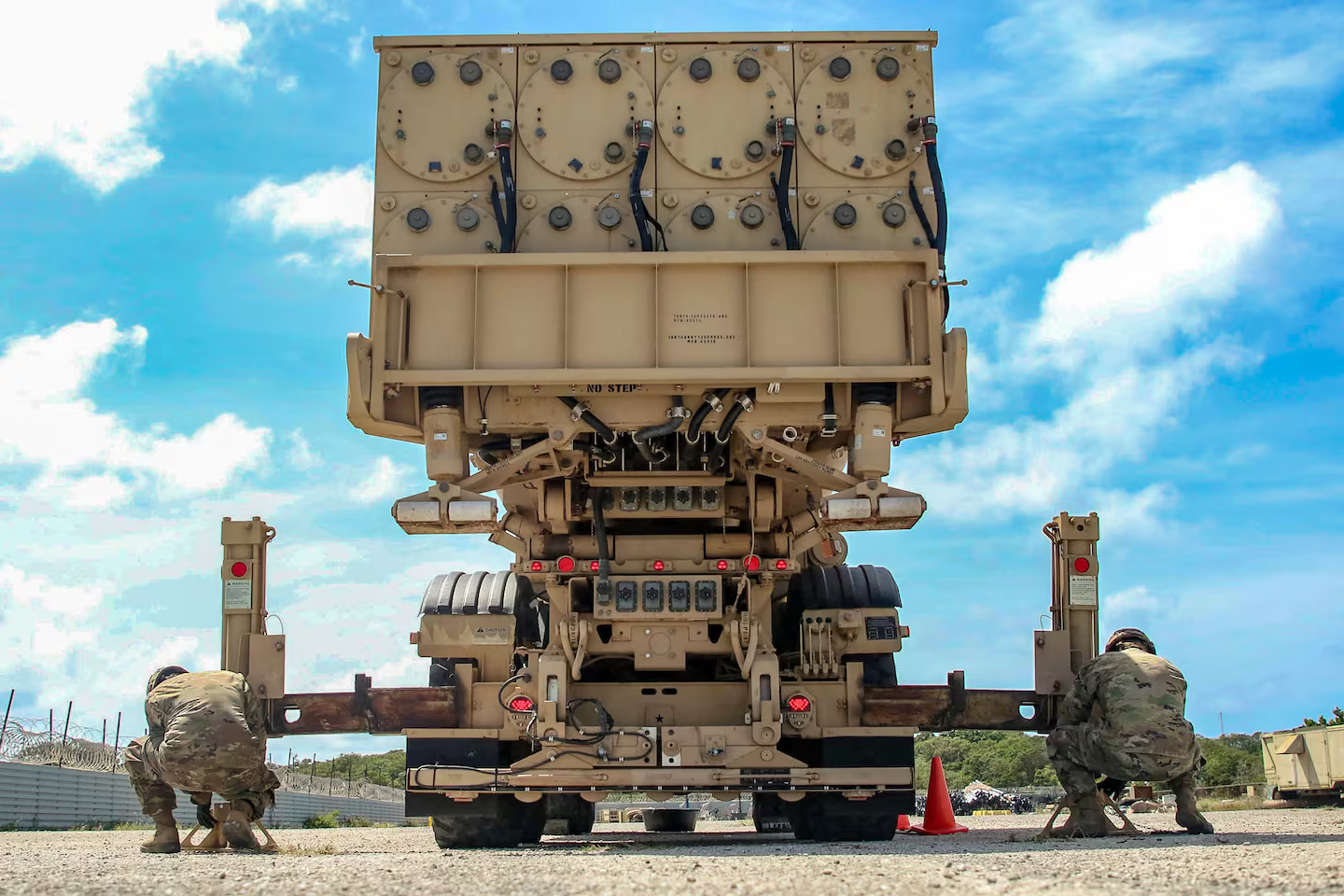
Task Force Talon was the Army’s first forward deployed air defense force in the Pacific. It operated the Terminal High Altitude Area Defense system, commonly known as THAAD, which is designed to intercept missiles.
The Army described the new battalion’s activation as an institutionalization of the air defense mission. Instead of depending on rotating groups, the service is establishing permanent capabilities in the region through the battalion.
“This battalion helped transform an ambitious concept toward operational capabilities,” Lt. Col. Joshua Urness, the battalion’s commander, said in the Army’s announcement. “The soldiers developed new procedures, relationships, and integration required to connect sensors, command and control systems, launchers, and interceptors to promote a unified defensive architecture.”
That architecture brings together several essential pieces of air and missile defense. Sensors must identify potential threats, command and control systems must process the information, and launchers and interceptors must be connected to respond.
The battalion will operate the THAAD system along with other Army air defense weapons. Those systems include Patriot missile batteries and drones, according to a Stars & Stripes report published during the summer.
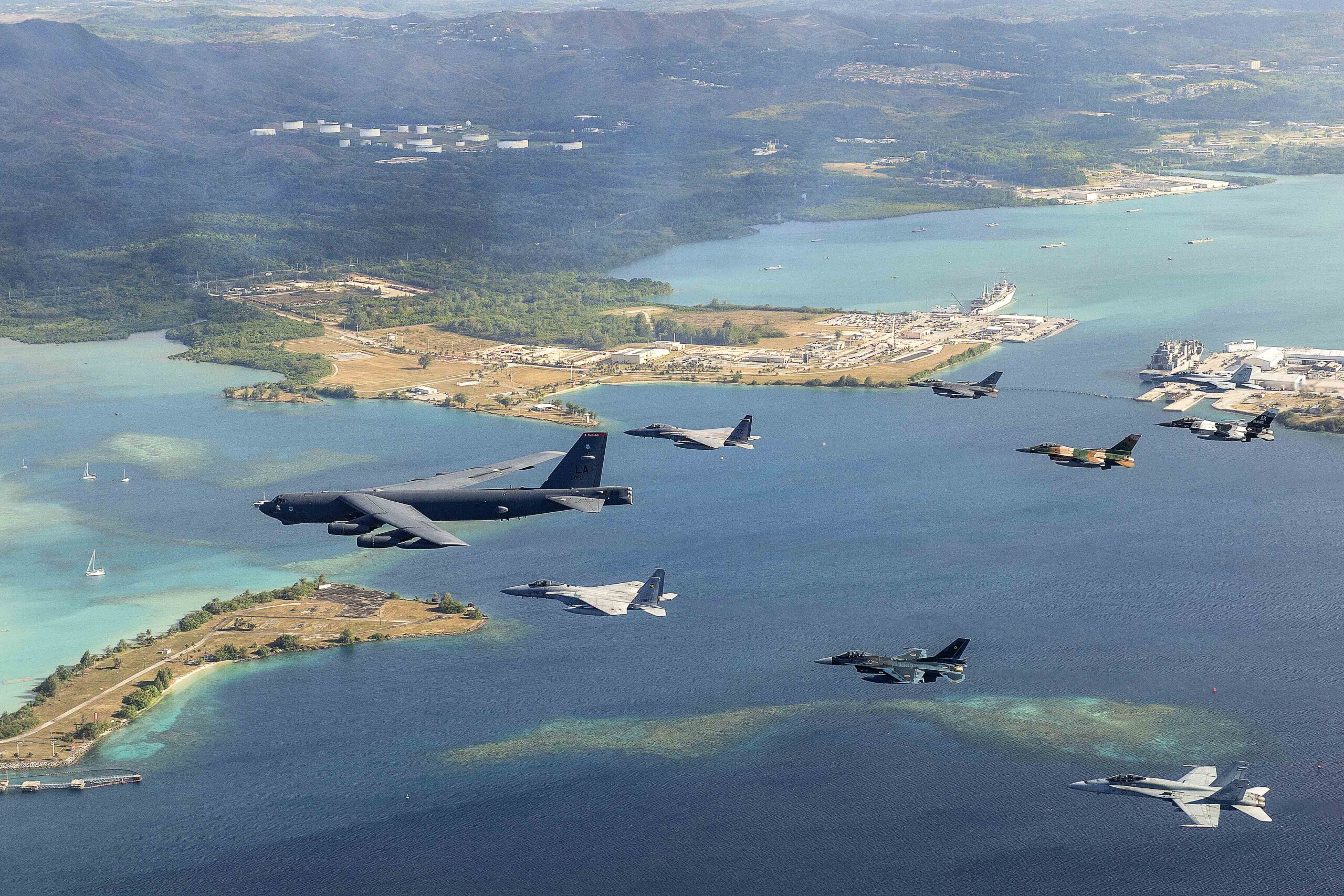
Guam’s location gives the island a major role in U.S. military operations in the Pacific. Its importance extends beyond the bases and airfields positioned there because the territory also serves as a logistics hub for potential major military operations in the region.
The island contains large fuel storage sites and munition stockpiles. Those forces, facilities, supplies, and supporting infrastructure make Guam an important location for sustaining joint operations across the region.
That military importance also makes Guam a potential target for a U.S. adversary in the event of war. The Army’s permanent air defense presence is part of the wider work underway to protect the island and the military assets based there.
The military is developing a larger network of sensors, missile launchers, and infrastructure known as the Enhanced Integrated Air and Missile Defense System. That network remains in development and is intended to coordinate multiple defenses across the island.
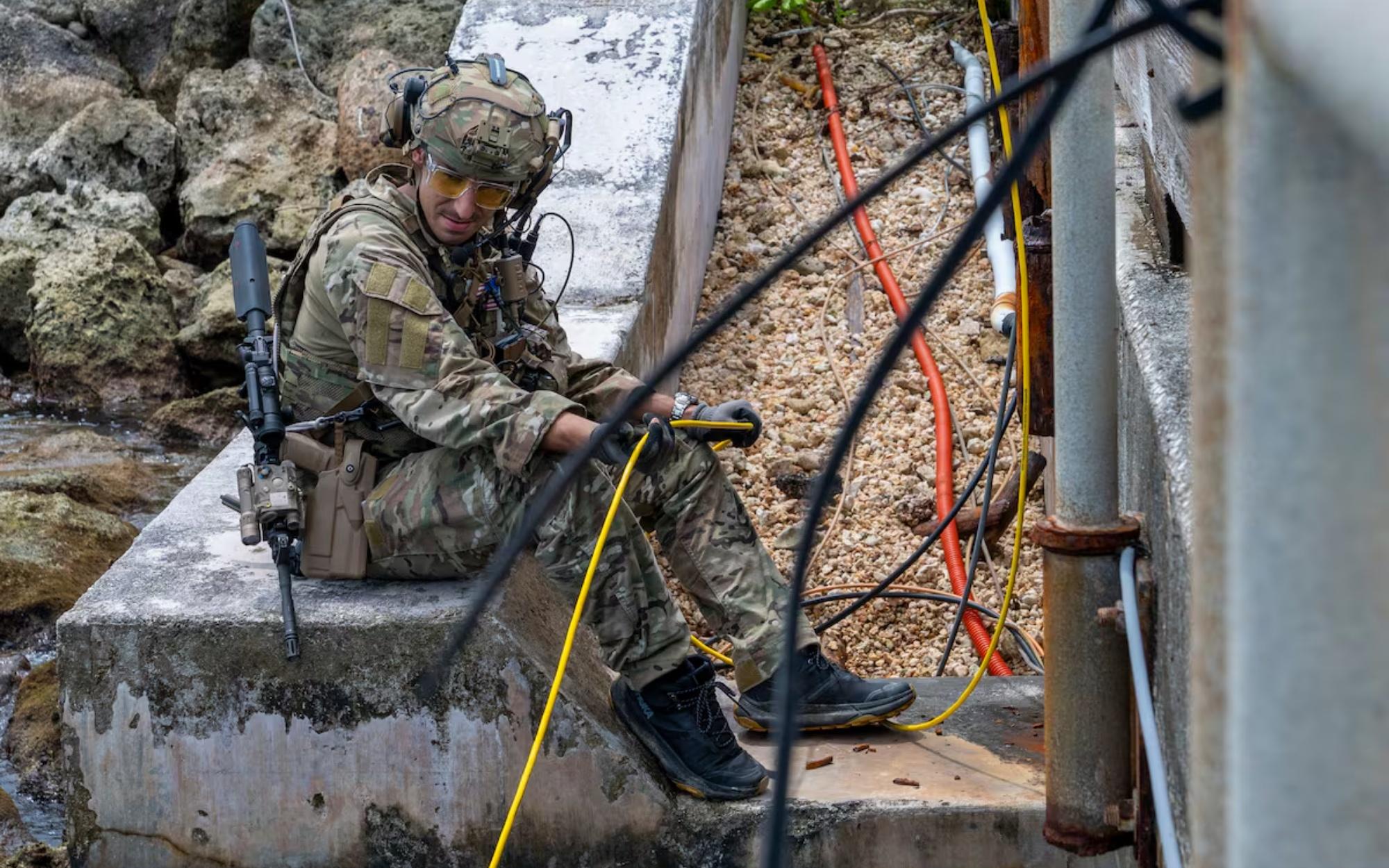
The planned system would bring together Army, Navy, and other air defense capabilities. Its mission would be to help protect Guam from enemy ballistic missiles and drones by coordinating those separate military systems.
The Army emphasized Guam’s importance to U.S. military operations throughout the region in its announcement. The island supports joint force operations, making air and missile defense critical to protecting the forces and infrastructure required for those missions.
The activation therefore marks a significant shift from Task Force Talon’s rotating structure to an established battalion. With the 3rd Battalion now active, the Army has placed its Guam air defense mission on a permanent institutional footing.
The opinions expressed by contributors and/or content partners are their own and do not necessarily reflect the views of Conservative Mix. Contact us for guidelines on submitting your own commentary.
Leave a comment
COMMENTS POLICY: We have no tolerance for messages of violence, racism, vulgarity, obscenity or other such discourteous behavior. Thank you for contributing to a respectful and useful online dialogue.