WHAT YOU NEED TO KNOW
- CNN’s Kaitlan Collins questioned Elizabeth Warren about billionaire money supporting Democrats in the 2026 midterms.
- Michael Bloomberg had contributed about $80 million to help Democrats, while Elon Musk had contributed $276 million to Republicans.
- Warren called for removing large amounts of money from politics but did not directly reject Bloomberg’s help.
- Warren accused Republicans of trying to overwhelm Democrats through campaign spending and argued for a different political system.
Senator Elizabeth Warren of Massachusetts faced an uncomfortable line of questioning during a recent CNN interview about billionaire money flowing into Democrat campaigns for the 2026 midterms. The exchange put Warren’s attacks on wealthy political donors against her party’s willingness to accept their financial help, as reported by The Gateway Pundit.
The issue is especially awkward because Democrats regularly complain about billionaires influencing politics. Yet when billionaires are prepared to spend heavily on Democrat candidates, the party’s outrage suddenly looks much less absolute.
The left’s fixation on billionaires was once most closely associated with Bernie Sanders, according to the report. That rhetoric has since spread across the Democrat Party, becoming a familiar talking point for candidates eager to stir up class resentment.
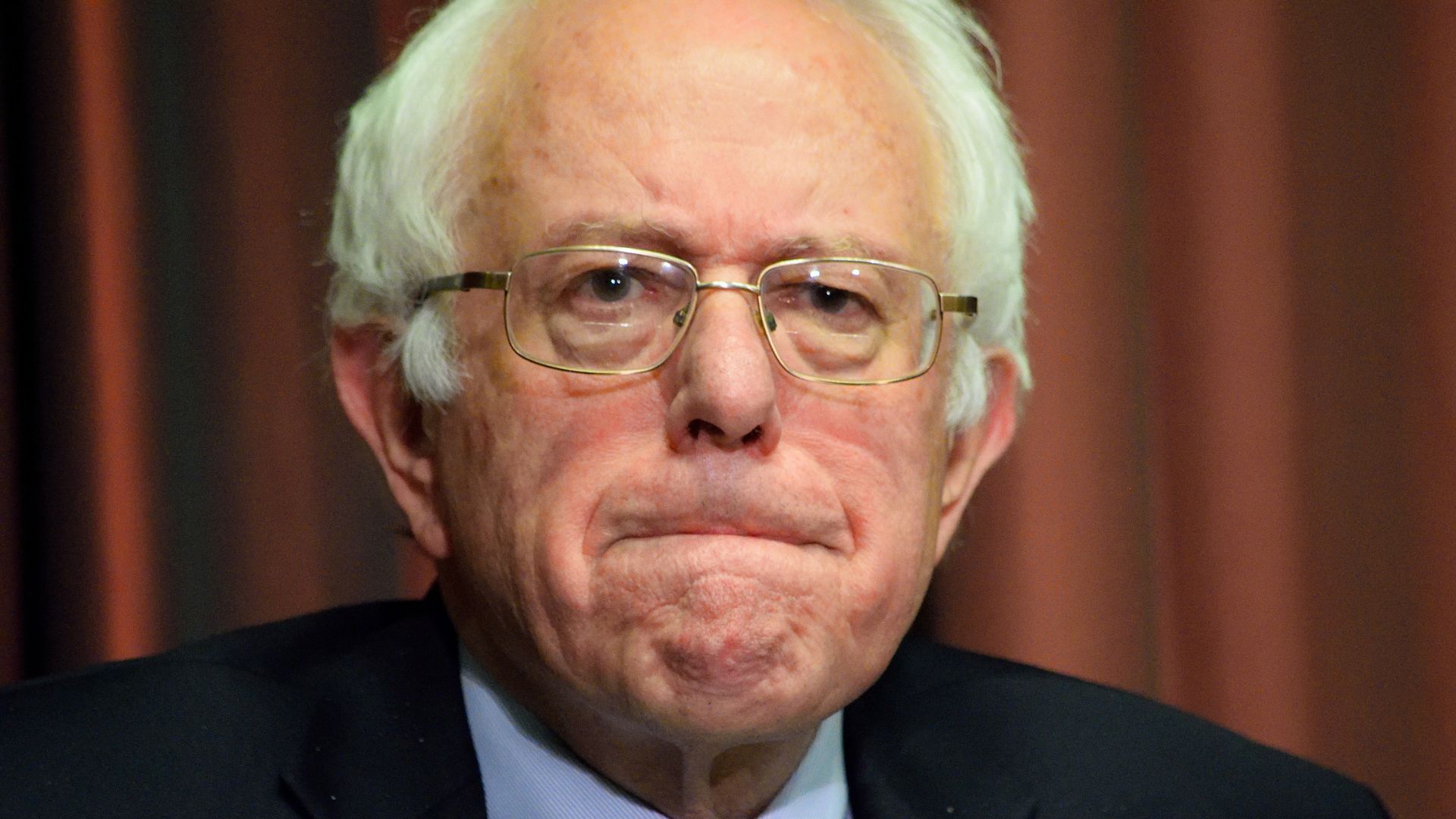
Warren has embraced that message, arguing that billionaire donors should not be involved in politics. CNN’s Kaitlan Collins tested that position by asking whether Warren welcomed billionaire assistance when the money benefited Democrats.
Collins noted that Michael Bloomberg had contributed about $80 million to help Democrats win the midterms. She contrasted that amount with the $276 million that Elon Musk had contributed to Republicans.
That comparison led Collins directly to the contradiction at the center of the interview. She asked Warren, “You’re someone who has said billionaire donors should not be in politics. Given what you’ve said, do you want Michael Bloomberg’s help here?”
Warren did not answer with a straightforward rejection of Bloomberg’s help. Instead, she shifted toward a broader argument about removing large amounts of money from politics and accused Republicans of trying to overwhelm their opponents through campaign spending.
“Look, what I want is to get this kind of money out of politics,” Warren said. “Right now, the Republicans know that their only chance, as they see it, to be able to hang on to the House and the Senate and some of these governors’ mansions is to be able to just drown people in money, to be able to run all the ads on TV, to lie, to cheat, and that there won’t be any opportunity for Democrats to be able to respond.”
Her answer focused heavily on Republican spending while avoiding a direct declaration that Democrats should reject Bloomberg’s money. Warren argued that Democrats must push back during the 2026 midterm campaign because Republicans have the financial advantage.
She framed the contest as a struggle between money and ordinary people. Warren claimed Democrats have the people on their side, while Republicans have the money and believe spending it will allow them to maintain control of the country.
“The Republicans have got the money, and they think if they can spend it, they can maintain control of this country, and I sure hope they’re wrong,” Warren said. She also argued that the country needs a “very different” political system.
This is Peek hypocrisy from Elizabeth Warren. Warren rants about Republicans being funded by billionaires. She’s then asked about Troy Jackson taking donations from 4 billionaires after claiming he’s taken no money from billionaires. “Really? That’s where gonna make the focus” https://t.co/JIjre9PpP1
— Clyp Keeper (@DGrayTexas45) October 21, 2026
But Collins’ question concerned whether Warren wanted help from a specific billionaire who had reportedly spent about $80 million aiding Democrats. Warren’s response condemned the political system while leaving the party’s immediate billionaire support untouched.
The interview also came amid discussion of Democrat Troy Jackson revealing multiple billionaire donors and the possibility of a large Bloomberg donation. That backdrop made Warren’s broad complaints about Republican money even more conspicuous.
The fact that the exchange happened on CNN added another surprising element. Rather than allowing the familiar anti-billionaire talking point to pass without scrutiny, Collins pressed Warren about how that position applied when wealthy donors opened their wallets for Democrats.
Democrats routinely use billionaire rhetoric to fuel class warfare and present themselves as the party of ordinary people. At the same time, the Warren interview showed how quickly that righteous posture becomes tangled when billionaire cash is helping their own side compete.
The opinions expressed by contributors and/or content partners are their own and do not necessarily reflect the views of Conservative Mix. Contact us for guidelines on submitting your own commentary.
Leave a comment
COMMENTS POLICY: We have no tolerance for messages of violence, racism, vulgarity, obscenity or other such discourteous behavior. Thank you for contributing to a respectful and useful online dialogue.