WHAT YOU NEED TO KNOW
- A joint team completed the first sonobuoy lot acceptance test from an MV-22B Osprey off San Clemente Island.
- The demonstration validated the Osprey as an alternative platform for the Navy’s sonobuoy quality assurance program.
- Unlike the P-3C Orion’s automated system, Osprey aircrews manually released sonobuoys through the open rear cargo ramp.
- The added platform could prevent testing backlogs, protect delivery schedules and support expanded tactical employment across the fleet.
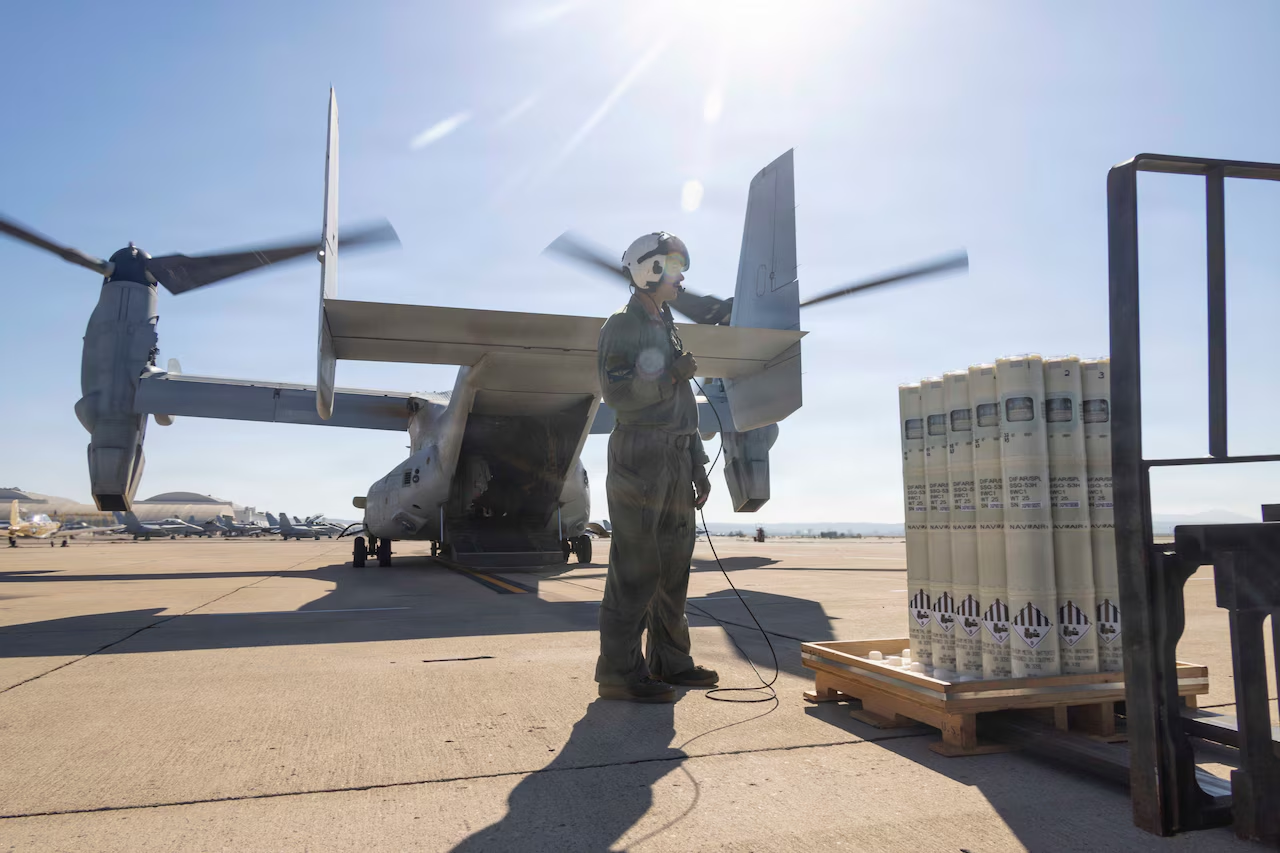
A joint Navy and Marine Corps test team successfully completed the first lot acceptance test of sonobuoys deployed from an MV-22B Osprey tiltrotor aircraft.
The milestone operation took place off the coast of San Clemente Island, California, on Aug. 19.
The Air Anti-Submarine Warfare Systems Program Office, the Osprey Joint Program Office and Marine Operational Test and Evaluation Squadron 1 conducted the test.
Their demonstration laid the groundwork for expanded tactical employment of the Osprey across the fleet.
The operation validated the Osprey as an alternative aircraft for the Navy’s sonobuoy quality assurance program. That new option can boost operational readiness when the program’s primary test platforms are unavailable.
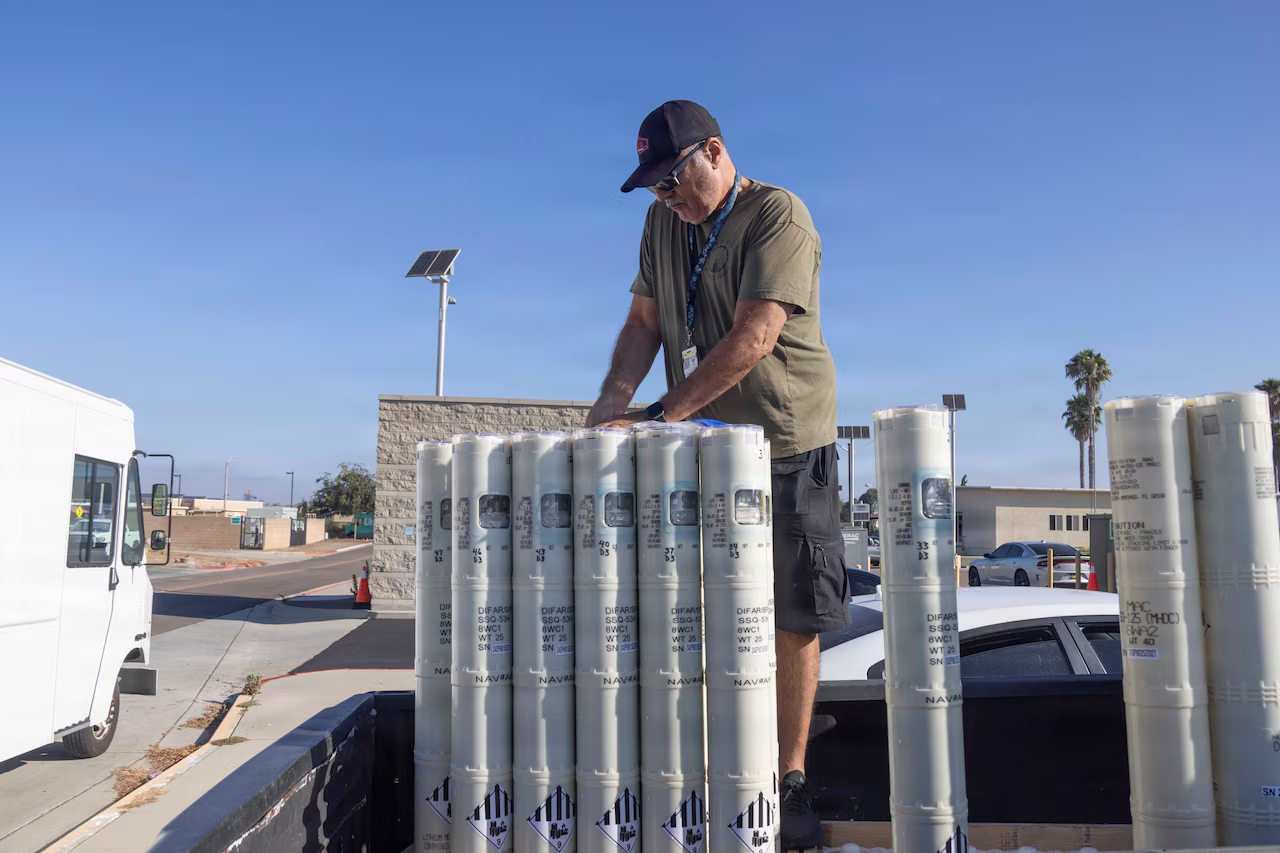
The Air Anti-Submarine Warfare Systems Program Office manages the sonobuoy quality assurance program. Under that program, random production samples undergo testing over water before vendor inventory is delivered to operational squadrons.
Testing evaluates the reliability and acoustic performance of the selected sonobuoys.
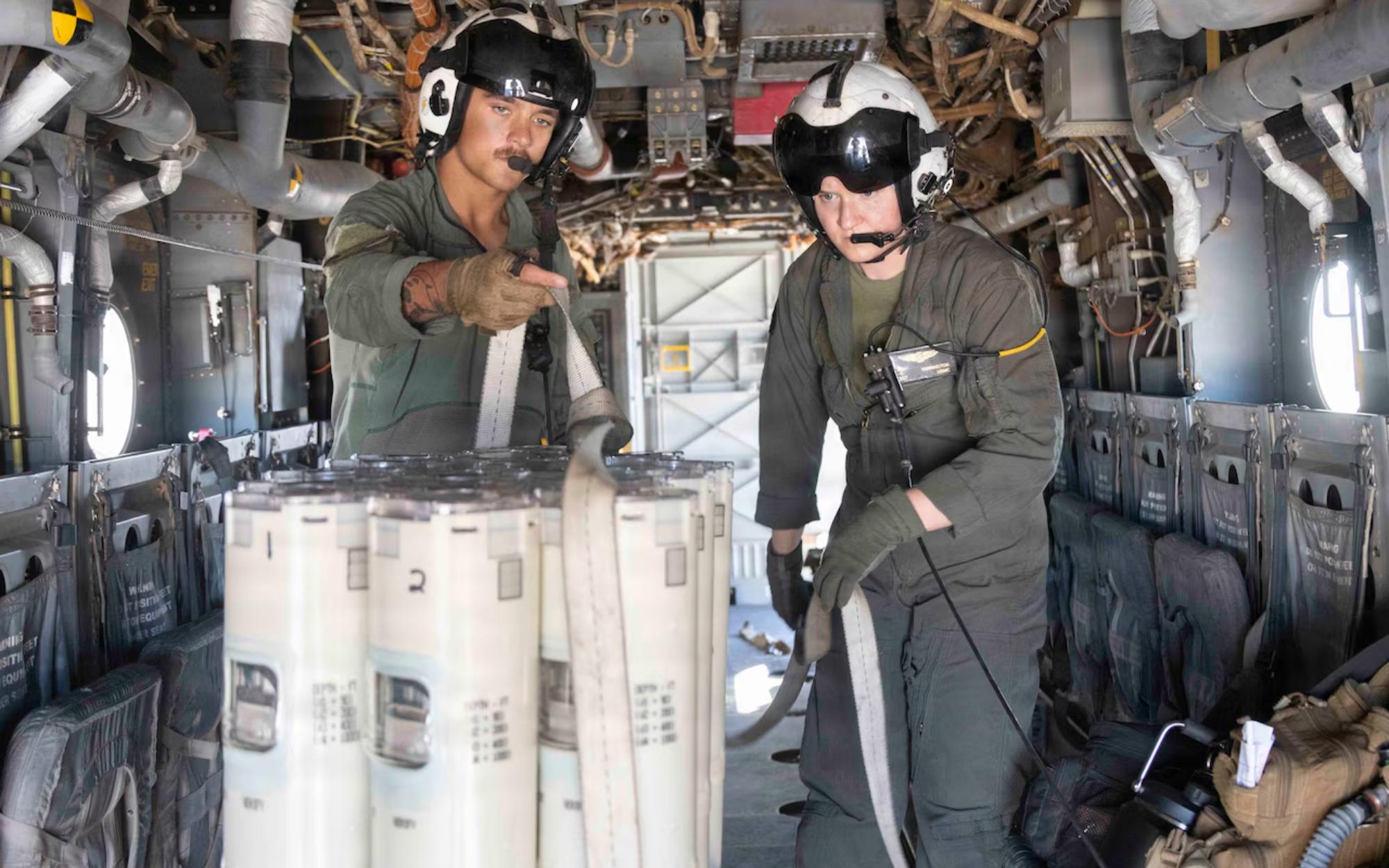
Marine Corps Staff Sgt. Jenna Yarrington, right, and Cpl. Donovan Nickelson, crew chiefs assigned to the Marine Operational Test and Evaluation Squadron 1, strap sonobuoys onto a Marine Corps MV-22B Osprey tiltrotor aircraft assigned to the squadron at Marine Corps Air Station Miramar, Calif., Aug. 19, 2026.
Those evaluations are intended to verify that the equipment supplied to fleet personnel performs as expected before reaching operational units.
“Our primary focus in the quality assurance program is making sure the sonobuoys delivered to the fleet perform exactly as expected,” said Navy Capt. Greg Hinkle, program manager of the Air Anti-Submarine Warfare Systems Program Office.
Historically, the Navy relies on P-3C Orion aircraft assigned to Air Test and Evaluation Squadron 30 for the quality assurance drops. The Orion aircraft use automated launchers to deploy the sonobuoys during testing.
The Osprey demonstration showed that the tiltrotor aircraft can serve as a dependable substitute when those primary test platforms are unavailable. That added capability can help prevent testing backlogs while keeping delivery schedules on track.
The alternative also reinforces the supply chain supporting aircrews responsible for detecting and tracking threats beneath the water.
For the Navy, maintaining the testing schedule helps ensure operational squadrons receive the required stores.
“By utilizing the [Osprey] for this type of mission, we are reinforcing our supply chain and ensuring front line aircrews have the mission-ready stores they need to detect and track undersea threats,” Hinkle said.
The Osprey uses a notably different deployment process from the P-3C Orion.
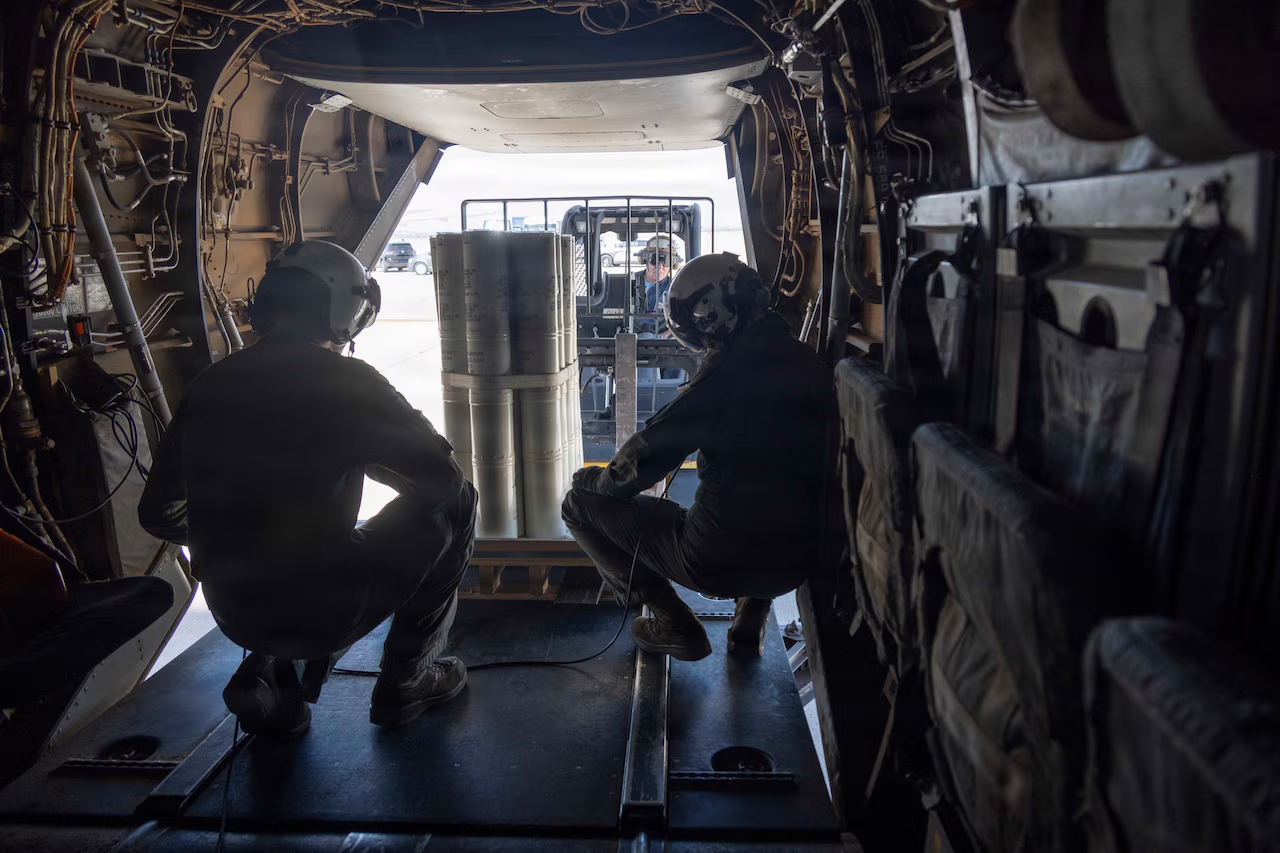
While the Orion employs automated launch containers triggered from the cockpit, the Osprey requires aircrew members to release the sonobuoys manually.
Aircrew members conducted the launches through the aircraft’s open rear cargo ramp. Crew chiefs removed the container caps and inverted the launch tubes, releasing the stores into the slipstream during the test.
Despite the different launch method, the demonstration established that the Osprey could support the Navy’s established quality assurance mission.
It provides another platform capable of carrying out the required sonobuoy drops when primary aircraft cannot perform them.
The successful test gives the sonobuoy program a way to continue evaluations without depending exclusively on the aircraft historically used for those operations. Preventing delays in testing also helps keep approved vendor inventory moving toward operational squadrons.
At the same time, the milestone supports potential tactical use of the Osprey beyond this quality assurance role.
The test specifically laid the groundwork for expanded tactical employment across the fleet, giving Navy and Marine Corps planners a successfully demonstrated option.
The Department of War provides the military forces needed to deter war and ensure the nation’s security.
This joint test showed how Navy and Marine Corps organizations can use an existing aircraft to reinforce readiness and support the fleet’s undersea threat mission.
The opinions expressed by contributors and/or content partners are their own and do not necessarily reflect the views of Conservative Mix. Contact us for guidelines on submitting your own commentary.
Leave a comment
COMMENTS POLICY: We have no tolerance for messages of violence, racism, vulgarity, obscenity or other such discourteous behavior. Thank you for contributing to a respectful and useful online dialogue.