WHAT YOU NEED TO KNOW
- Betty Ford openly discussed treatment for prescription drug and alcohol use after leaving the White House.
- Nancy Reagan addressed astrology, fear, and controversial White House episodes in her memoir My Turn.
- Kitty Dukakis and Rita Jenrette described addiction, campaign pressure, political appearances, and frustration with public life.
- Hillary Clinton wrote about Bill Clinton’s relationship with Monica Lewinsky and its emotional impact on their marriage.
Life in Washington often demands careful language and a polished public image, particularly from political spouses whose words can quickly become headlines. After their time at the center of national politics ended, several prominent political wives became far more candid about addiction, campaign pressure, family conflict, and their marriages.
Betty Ford, Nancy Reagan, Kitty Dukakis, Rita Jenrette, and Hillary Clinton each used books or published accounts to describe deeply personal experiences. Their disclosures pulled back the curtain on lives that had previously been shaped by political expectations and relentless public attention.
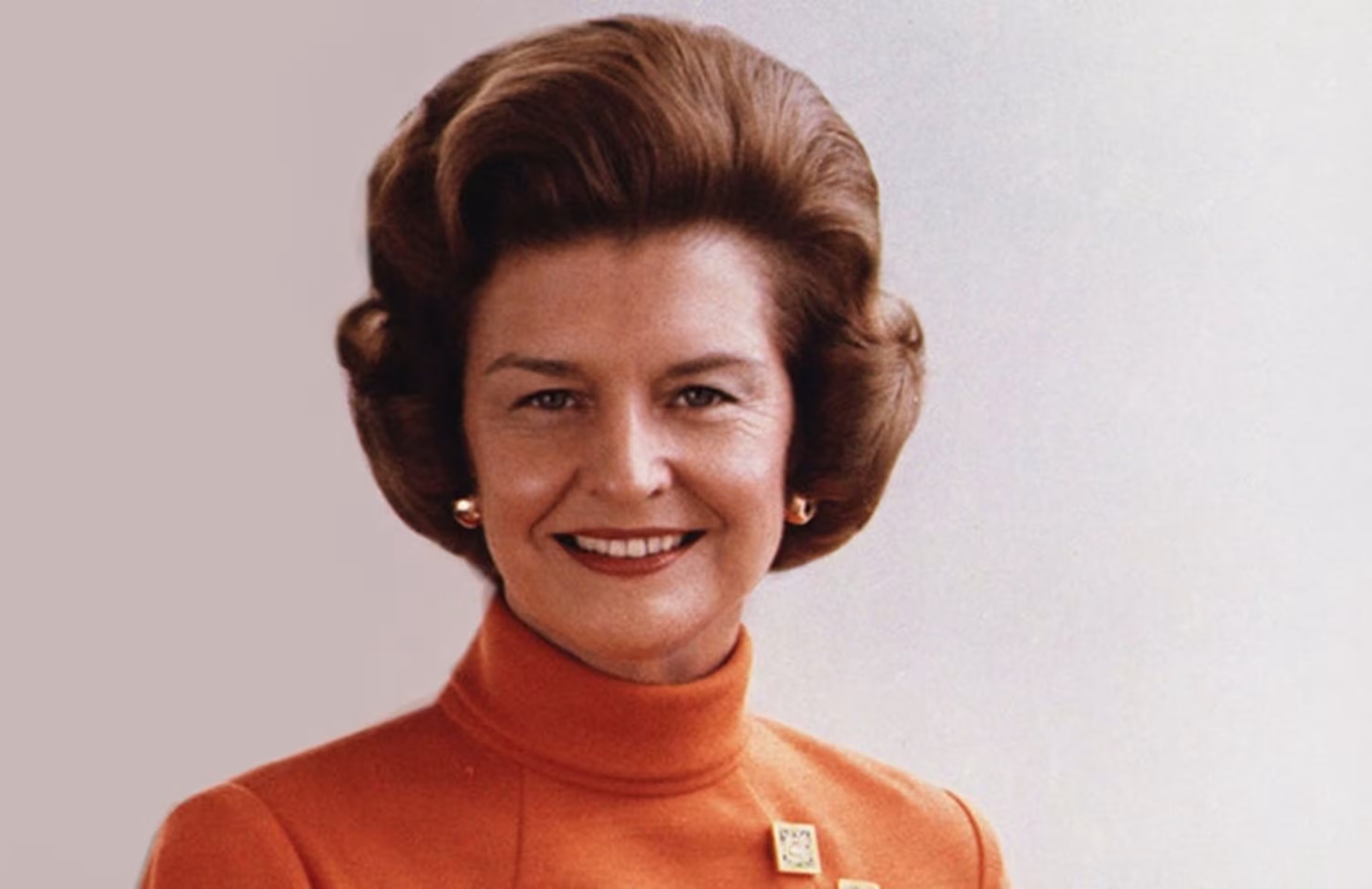
After Betty and Gerald Ford left the White House in 1977, Betty Ford revealed startling details about her struggles. A family intervention in 1978 led to treatment for prescription drug and alcohol use at Long Beach Naval Hospital.
Ford discussed that experience openly in The Times of My Life, which was published the same year, according to the Gerald R. Ford Presidential Library. Her candor continued well beyond that initial account and became a defining part of her public work.
Her 1987 book, Betty: A Glad Awakening, focused on her recovery. Ford’s later efforts also helped establish the Betty Ford Center in California, extending her willingness to confront addiction with unusual directness for that era.
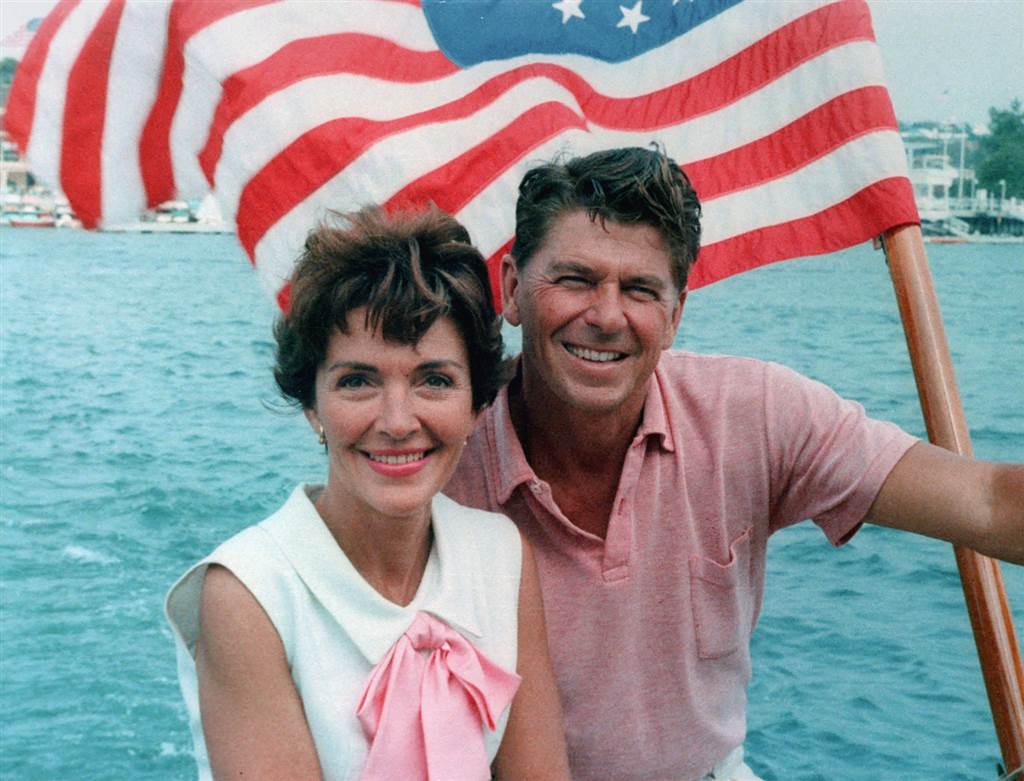
Nancy Reagan provided her account of disputed and controversial White House episodes in her 1989 memoir, My Turn. According to The Los Angeles Times, she sharply criticized former chief of staff Ronald Regan and addressed her relationship with astrologer Joan Quigley.
That relationship had generated considerable controversy. Reagan wrote that she turned to astrology after the 1981 assassination attempt on her husband, presenting it as a response to the fear and anxiety she experienced after the attack.
Reagan maintained that astrology was not used to make political decisions. However, she acknowledged that it affected Ronald Reagan’s scheduling, giving readers her personal explanation for an issue that had attracted significant attention.
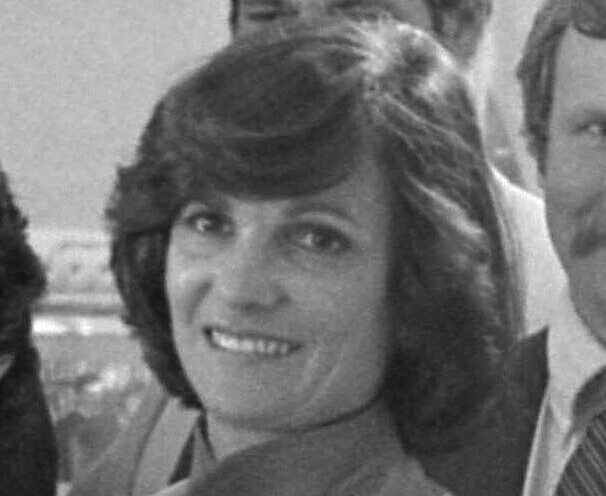
Kitty Dukakis offered another deeply candid account after Michael Dukakis’ 1988 presidential campaign. Her memoir, Now You Know, addressed addiction, recovery, and the immense pressure she experienced while occupying the public role of a political wife.
According to The Washington Post, the book portrayed a woman struggling with the expectations placed upon her both during the campaign and afterward. One of its most striking revelations concerned her dependency on alcohol during the election.
Dukakis also spoke openly about recovering from amphetamine addiction early in the campaign. Her account connected those deeply personal struggles with the pressure she experienced during a grueling period of public political life.
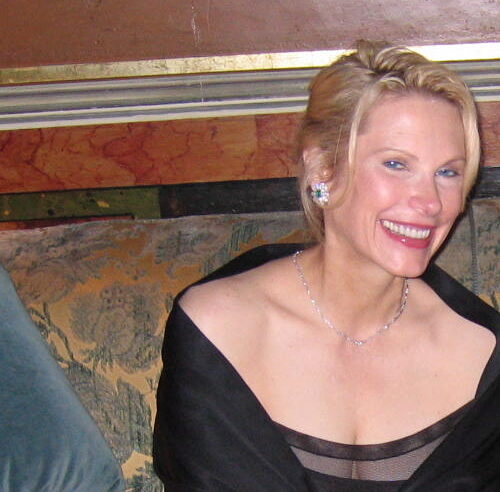
Rita Jenrette took a particularly blunt approach after her husband, Rep. John Jenrette, was indicted in the Abscam scandal and later convicted in 1980. She wrote about her experiences as a congressional wife through The Washington Post.
The publication captured the tone in its headline, “Diary of a Mad Congresswife.” Jenrette expressed hatred for her life as a congressional wife and described the political appearances and social obligations that accompanied the position.
Her account stood apart because it lacked the polished presentation commonly expected from a political spouse. Instead, Jenrette presented herself as a woman who found the entire experience profoundly frustrating and was prepared to say so publicly.
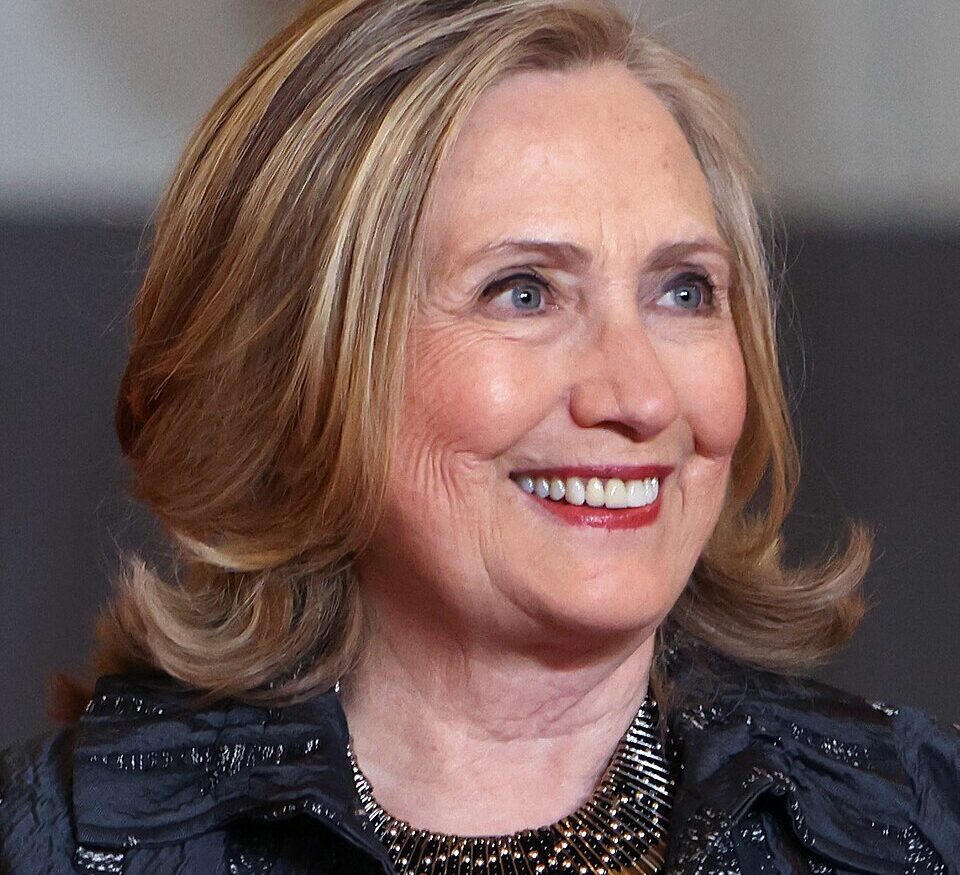
Hillary Clinton revisited her own White House years in Living History, published after the Clinton presidency had ended. At the time of the book’s publication, she was serving as a U.S. senator from New York.
The memoir looked back on her eight years as first lady and addressed intensely private moments from the presidency. A major portion concerned Clinton learning about Bill Clinton’s relationship with Monica Lewinsky and the emotional damage that followed within their marriage.
Clinton wrote about confronting her husband and discussing the crisis with friends and counselors. She also described deciding how to respond while the scandal unfolded before the public, offering her own account of a painful chapter that had played out under extraordinary scrutiny.
The opinions expressed by contributors and/or content partners are their own and do not necessarily reflect the views of Conservative Mix. Contact us for guidelines on submitting your own commentary.
Leave a comment
COMMENTS POLICY: We have no tolerance for messages of violence, racism, vulgarity, obscenity or other such discourteous behavior. Thank you for contributing to a respectful and useful online dialogue.