WHAT YOU NEED TO KNOW
- One Man In recounts Christian Craighead’s extraordinary response to the 2019 DusitD2 terrorist attack. Arriving before a coordinated assault was underway, the veteran SAS operator entered the Nairobi complex alone because every moment of delay placed more innocent lives at risk.
- Craighead became the catalyst for a much larger rescue effort. He evacuated wounded civilians, gathered intelligence, organized volunteers and fought beside Kenyan officers, helping create the momentum that allowed security teams to bring more than 700 people to safety.
- His Christian faith shapes how he understands the battle. Craighead prayed before entering the complex and before the final firefight, presenting his use of force as a moral duty to defend innocent people rather than an act of hatred or aggression.
- His five-hour return to the Shawn Ryan Show complements the memoir. Craighead reconstructs the attack in remarkable detail, discusses his post-service search for purpose and is joined by survivor Meyli Chapin, who explains the enduring human impact of his courage.
- Despite awarding him the Conspicuous Gallantry Cross, the British government has fought the book’s publication. Craighead deserves a vigorous defense: he sought approval, followed the legal process and is trying to tell the world about a publicly witnessed act of exceptional bravery.
There are moments when the distance between life and death is measured not in miles or minutes, but in the decision of a single human being.
On January 15, 2019, that distance was the threshold of a hotel complex in Nairobi. Beyond it, gunmen hunted civilians through corridors filled with smoke, blood and broken glass. Outside, confusion had hardened into hesitation.
Then Christian Craighead arrived in jeans and a gray shirt, pulled on his body armor, covered his face and asked the men sheltering near the entrance whether they were coming with him.
They were not.
So Craighead went in alone.
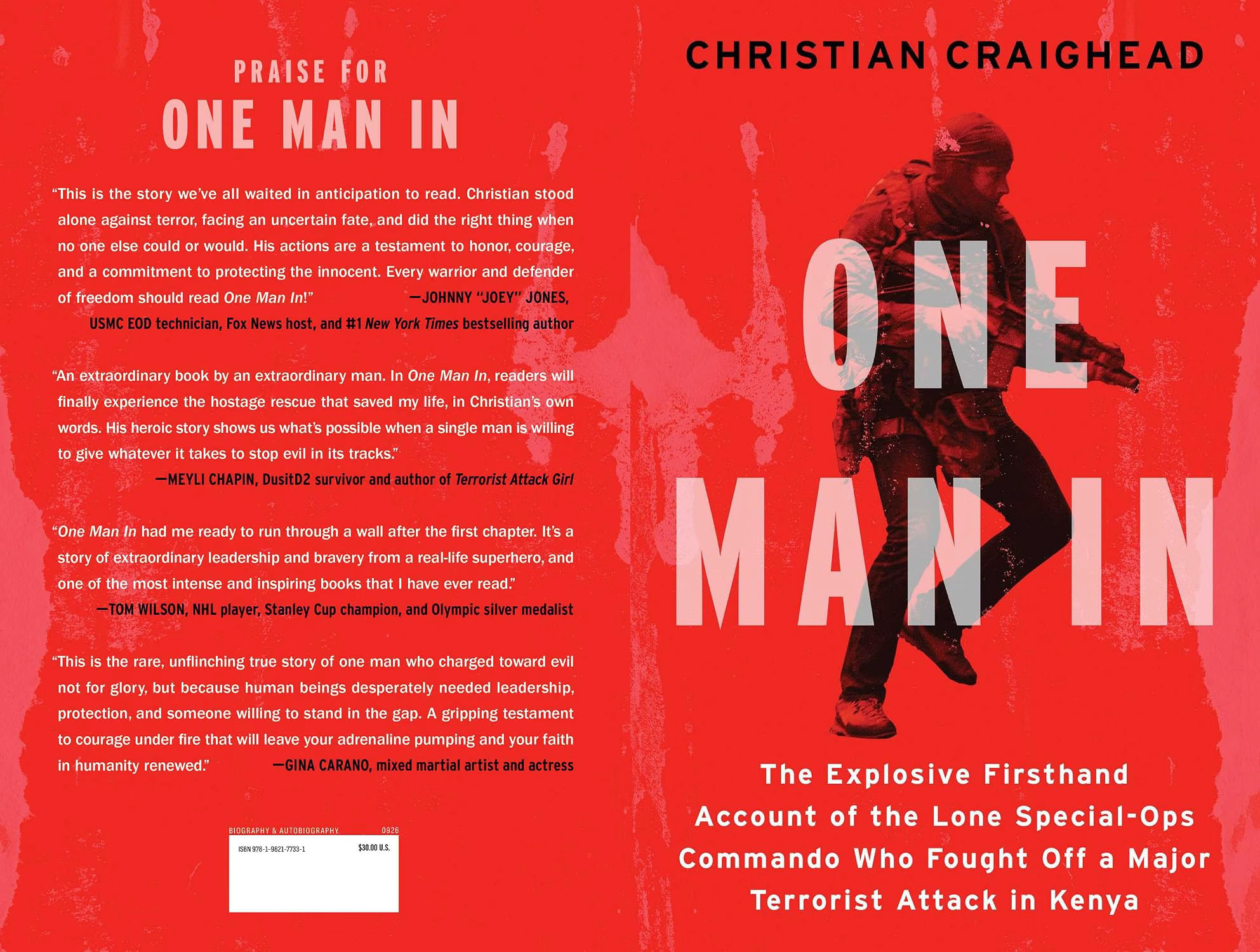
That choice is the beating heart of One Man In, Craighead’s long-delayed memoir, released in the United States on September 15, 2026. It is also the moral fact around which every later controversy must orbit. Before the lawyers, injunctions, confidentiality agreements and political arguments, there was a building full of innocent people and a man who chose to help them. The story begins there because honor requires that it begin there.
The state that trained Craighead would later decorate him with the Conspicuous Gallantry Cross. The British Government would also try to stop him from publishing the account of why he earned it. Britain found room for a medal but, so far, not for his voice. That contradiction hangs over the book like smoke over a battlefield.
Yet One Man In has reached American readers. Published by Threshold Editions, the 224-page memoir is available in hardcover, digital and audio editions; the Kindle edition lists September 15 as its publication date. It is a focused account of the DusitD2 attack rather than a broad autobiography. That is important. Craighead is not spilling an entire career onto the page. He is telling the story of one public catastrophe, one day already photographed and broadcast around the world, and one duty he could not ignore.
The Man Behind the Mask
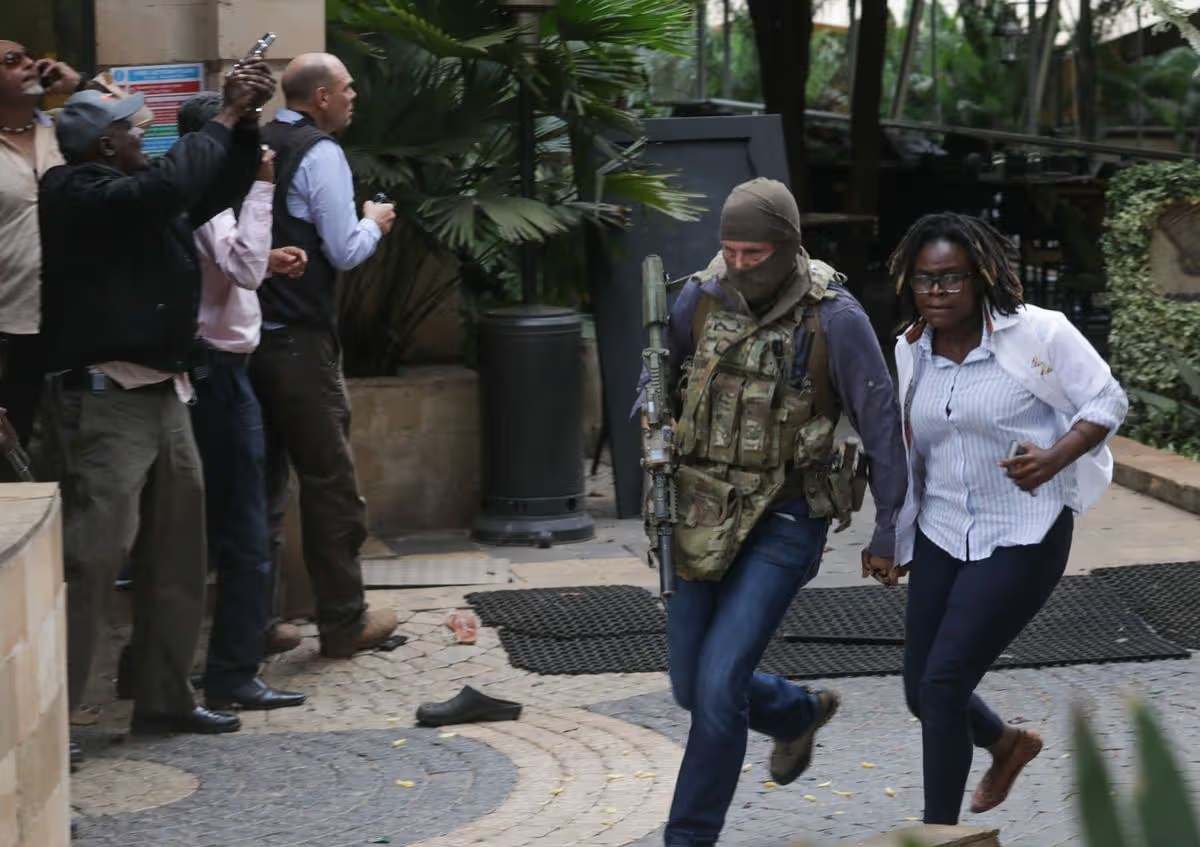
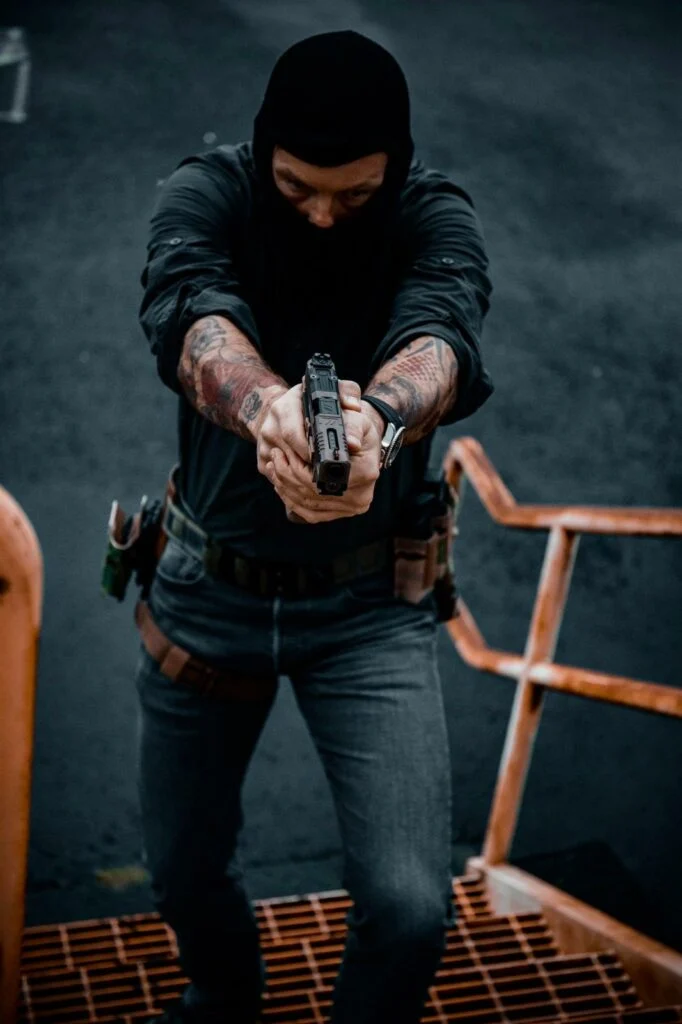
The image most people remember is almost too cinematic to be true: a masked man carrying a rifle, pistol and knife, moving into the DusitD2 complex while civilians stream away from it. The photographs gave the internet a hero before the public knew his name.
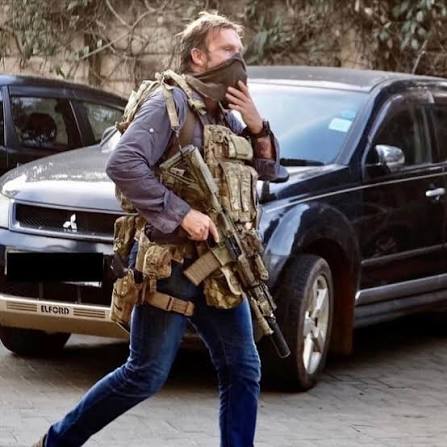
He was nicknamed “Obi-Wan Nairobi,” a phrase the Shawn Ryan Show later used in his episode. The name was playful, but the admiration beneath it was serious. People recognized something rare in the picture. They saw competence without spectacle, strength without permission and bravery stripped to its essential form.
But Craighead did not materialize from legend. He had spent a lifetime becoming the man in that photograph.
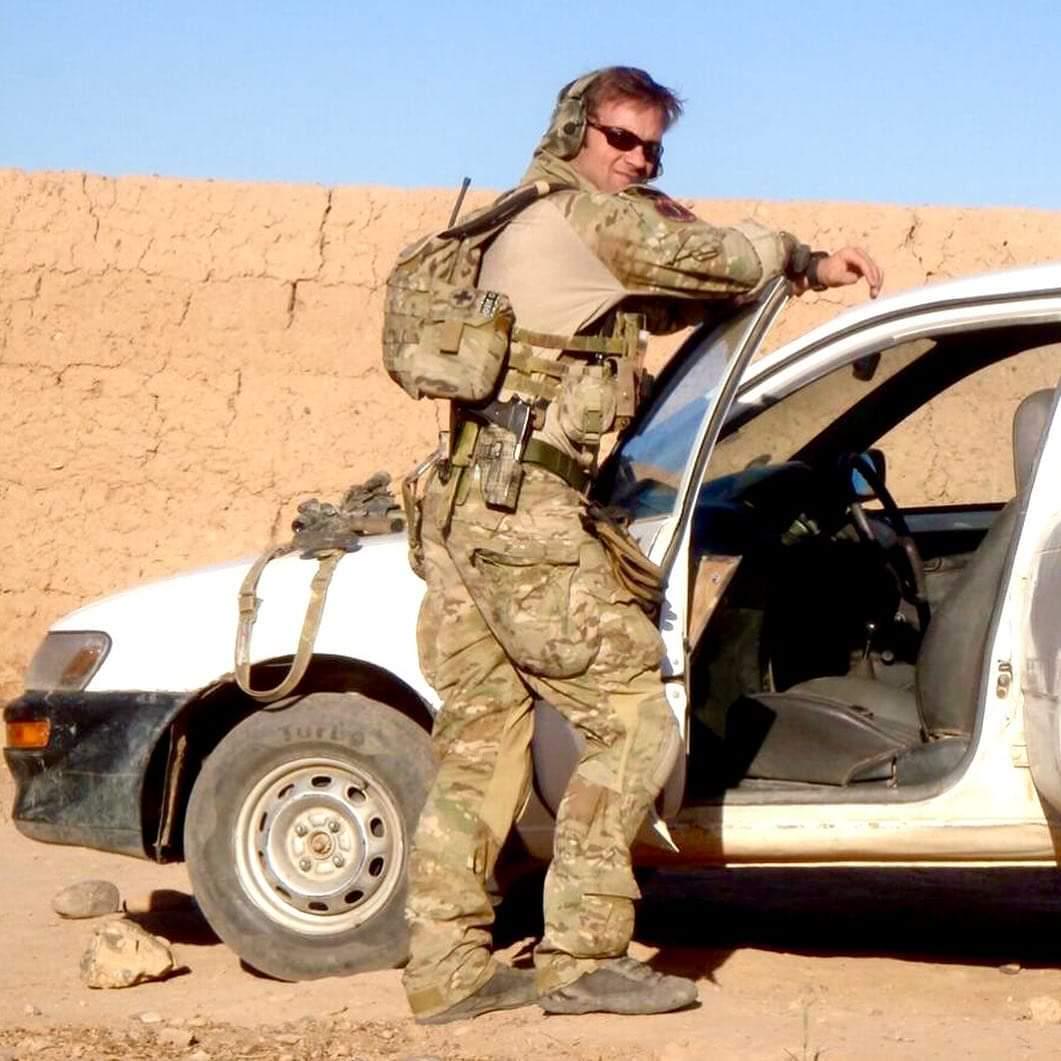
He joined the British Army at 16. He served in the Parachute Regiment and the Pathfinder Platoon before reaching 22 Special Air Service, where he spent nearly 15 years. His 28-year career included more than 1,000 high-risk missions in theaters including Iraq and Afghanistan. He became deeply experienced in close-quarters battle, counterterrorism, reconnaissance, hostage rescue and the violent arithmetic of decisions made with no time to spare.
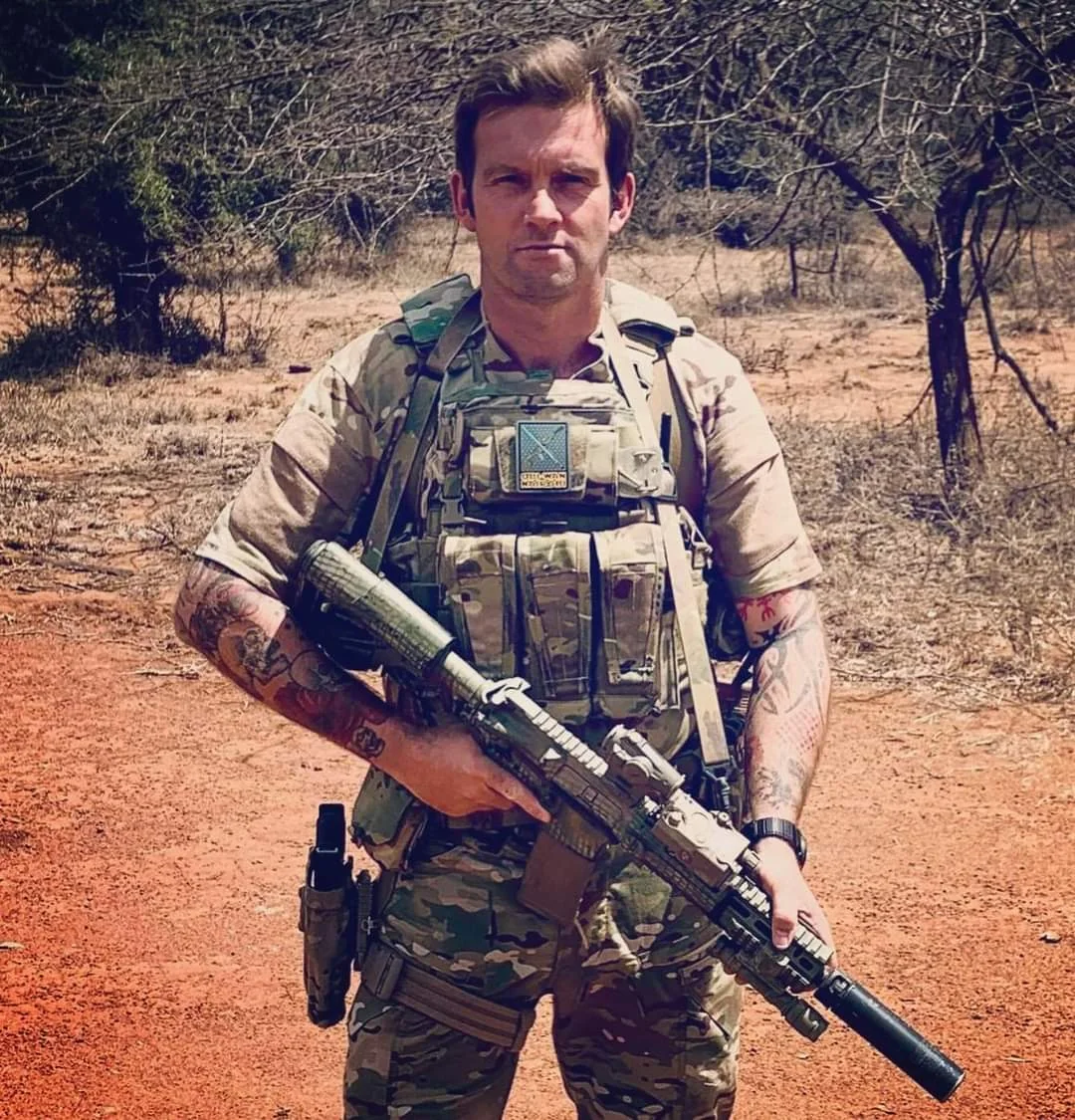
This is why attempts to explain Nairobi as luck are inadequate. Yes, Craighead happened to be in the city. Yes, a friend happened to call him. But chance only delivered the alarm. What answered it was a lifetime of preparation.
Craighead had been in Kenya for only about a month, serving as a liaison officer and trainer. He barely knew Nairobi’s roads. On the morning of the attack, he trained, got a haircut, ate lunch and went home. Nothing about the day announced itself as history. This is how history often arrives—not with music, but with a ringing phone.
At the DusitD2 hotel and business complex, a suicide bomber and four al-Shabaab gunmen were beginning their assault. According to a United Nations account, the attackers carried AK-pattern rifles and grenades. Twenty-one civilians were murdered. A U.S. State Department report records 28 wounded. Hotel guests, office workers, restaurant patrons and staff suddenly found themselves inside a sprawling killing ground.
Craighead had just stepped out of the shower when a former Royal Marine called from the complex. The man was trapped and unarmed. He told Craighead a complex attack was underway and that he needed to come.
Craighead did not convene a committee. He did not wait for the moral weather to clear. He put on jeans, a gray outdoor shirt and approach shoes. He grabbed a bag he had deliberately kept ready, loaded his weapons case into his pickup and prepared to leave. Near his doorway was a crucifix. He knelt and said a Hail Mary.
Then he drove toward the gunfire.
The Drive Toward Danger
Nairobi traffic was already locking down. Craighead crossed medians, moved into oncoming lanes and threaded his pickup through gaps as the city convulsed around the attack. In his recent account, Vivaldi’s Four Seasons suddenly began playing at full volume from his phone. The detail is absurd, beautiful and revealing: cascading violins filling the cab while a soldier races toward a terrorist siege. Life does not stop being strange simply because it has become deadly.
Craighead tried to alert the British operations room and reach Kenyan contacts. Calls went unanswered or communications faltered. He kept moving. The discipline beneath the speed mattered. Advanced driving instructors had taught him that getting to an emergency slightly later was better than crashing and never arriving. Even in urgency, training held the line against recklessness.
At first, he believed Kenyan security forces would already be inside. He expected to serve as a liaison, pass information and help if asked. It is a measure of his professionalism that he did not begin the drive fantasizing about a solo assault. He expected a system to exist when he arrived.
It did not.
Near the entrance, armed men sheltered in a gatehouse. Craighead asked whether Kenyan forces had entered the complex. No one had. Then he heard a woman scream. Automatic gunfire cut the scream short.
There was no longer any abstraction. Someone had just been murdered within earshot. Every second offered the attackers another victim. Craighead looked at the men around him and said, “I’m going in. You guys coming with me?”
One man answered, “No, boss.”
MORE NEWS: Heroic San Diego Bystanders Chase Down Suspected Tesla Thief After Woman is Struck [WATCH]
Craighead went anyway.
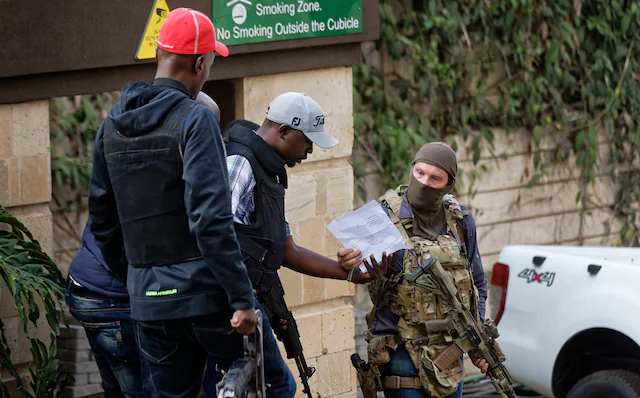
That exchange should be engraved into the public memory of the attack because it explains both the title and the man. “One man in” does not mean Craighead single-handedly completed every rescue, cleared every room and defeated every attacker. It means that when inertia ruled the doorway, one man broke it. He crossed the threshold before courage had become contagious.
Institutions sometimes speak as if initiative is dangerous because it cannot be neatly controlled. Nairobi shows the other side of that equation. Sometimes initiative is the only thing standing between order and massacre. Craighead did not act from vanity. He acted because he could hear people dying and possessed the ability to stop it. If training creates that ability, conscience decides whether it will be used.
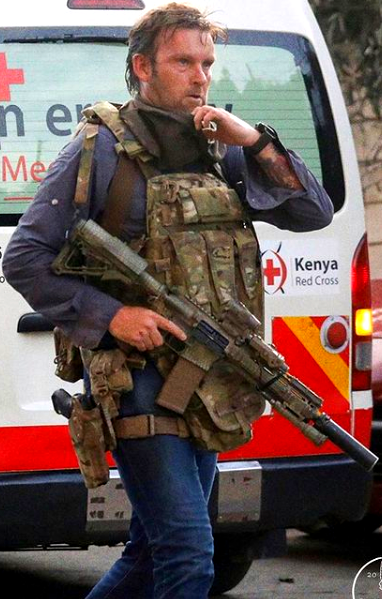
One Man Becomes a Team
Inside, Craighead entered a maze he did not know. Gunfire and explosions echoed through the complex. He did not know how many attackers were present, what they looked like or where they had moved. Any armed figure around a corner might be a terrorist, police officer, guard or civilian. The killers could shoot indiscriminately. Craighead had to discriminate in fractions of a second.
He began with the instinct to find and neutralize the attackers. Almost immediately, the mission changed. Near the Secret Garden café—the site of the suicide blast—he found wounded people amid blood and wreckage. Some required immediate medical help. Leaving them also meant risking their execution if the gunmen returned.
Craighead chose life before pursuit. He began pulling casualties toward the entrance while questioning them about what they had seen. The act captures his value better than any superhero comparison. He was not merely brave enough to enter. He was mentally agile enough to abandon his first plan when the human reality in front of him demanded another one.
MORE NEWS: Trump Says U.S. ‘Hopefully’ Nears End of Iran War as Saudi Arabia and Houthis Trade Strikes
Again and again, he moved back into the complex. Eventually, armed civilians stepped forward to help. Craighead called such people “free radicals”—unaffiliated men with guns, courage and uncertain levels of training. They might have become hazards. Under direction, they became rescuers.
This pattern repeated throughout the operation. Craighead did not hoard authority. He created momentum, assessed the people around him and made them more useful. When he joined Kenyan officers, including members of the elite RECCE unit, he shifted between rescuer, intelligence collector, coach and assault leader. He photographed evidence, passed reports, suggested tactical options and kept pressing the response forward when plans stalled.
At dawn, the gunmen trapped on an upper floor began praying aloud. Craighead believed they were preparing to attack. He moved to the front position and began saying another Hail Mary. As he reached the prayer’s final words, four grenades came down the stairs. Two terrorists followed with automatic weapons.
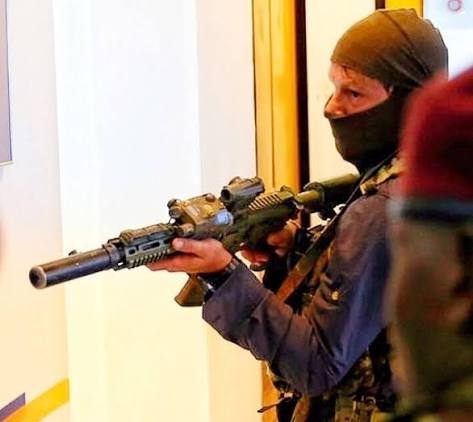
Craighead and the Kenyan officers met them with overwhelming force. Both attackers were killed. Craighead then pushed up the stairs and cleared the floor because professionals do not celebrate before certainty. The image is stark: prayer, grenades, gunfire and then forward movement. Faith did not make him passive. It steadied him for action.
The operation continued through clearing rooms and addressing remaining threats elsewhere in the complex. By the end, more than 700 people had been brought to safety. Precision matters here because truth makes the defense of Craighead stronger, not weaker. The legend of Christian Craighead sometimes says he “saved 700 people,” as though he personally led every survivor through every doorway. The U.S. State Department’s retrospective credits both him and Kenyan RECCE officers with escorting more than 700 people—including more than 70 Americans—and also recognizes the role of the U.S.-supported SPEAR team.
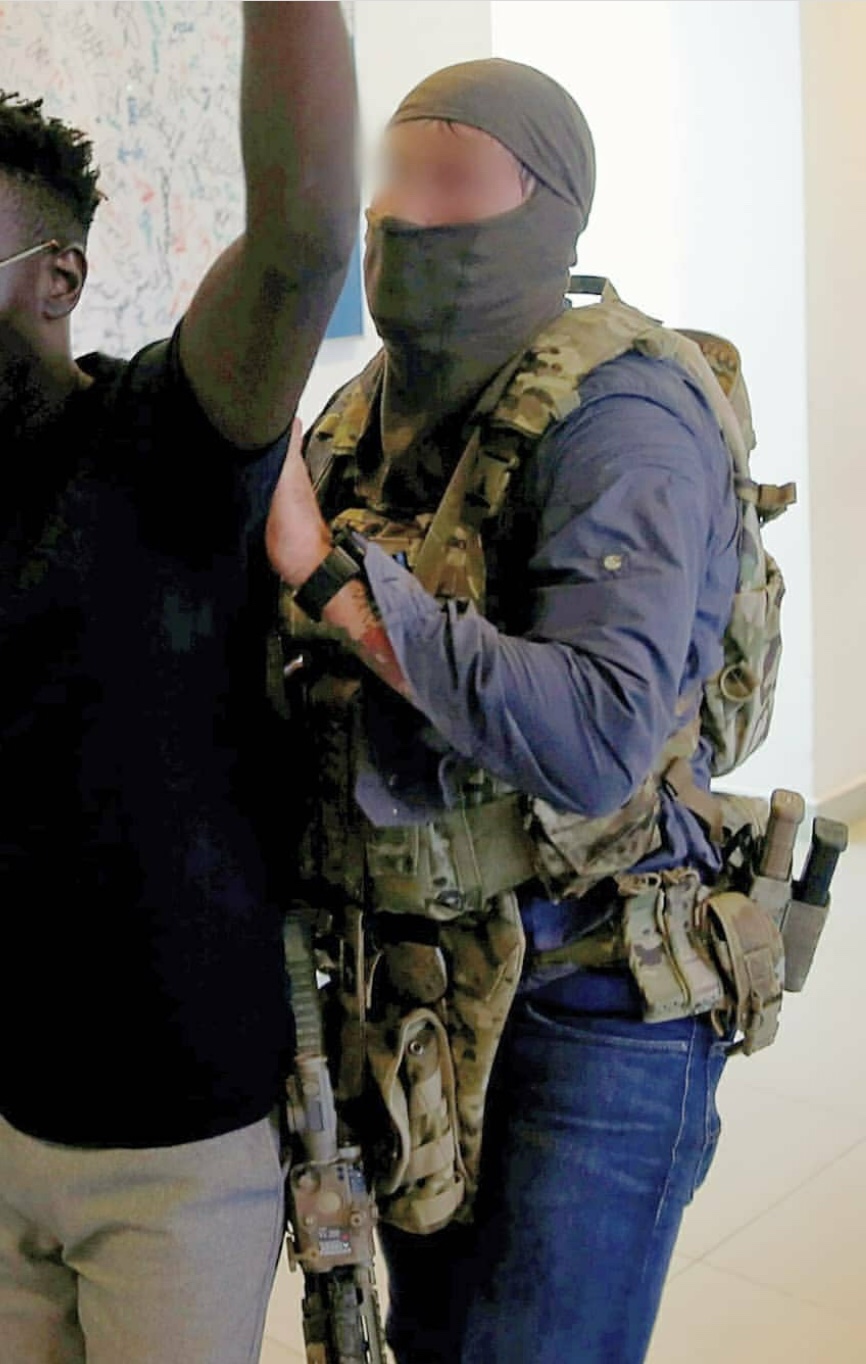
However, the official U.S. State Department record does not cut Craighead down to size. It reveals the true scale of what he helped ignite. He was the catalyst who entered before a coordinated assault existed, personally removed wounded people, gathered intelligence under fire, organized volunteers and lent decades of experience to the Kenyan officers who joined the fight. The rescue was a team achievement. Craighead’s greatness lies partly in the fact that he helped turn scattered human beings into a team.
MORE NEWS: Trump Says U.S. ‘Hopefully’ Nears End of Iran War as Saudi Arabia and Houthis Trade Strikes
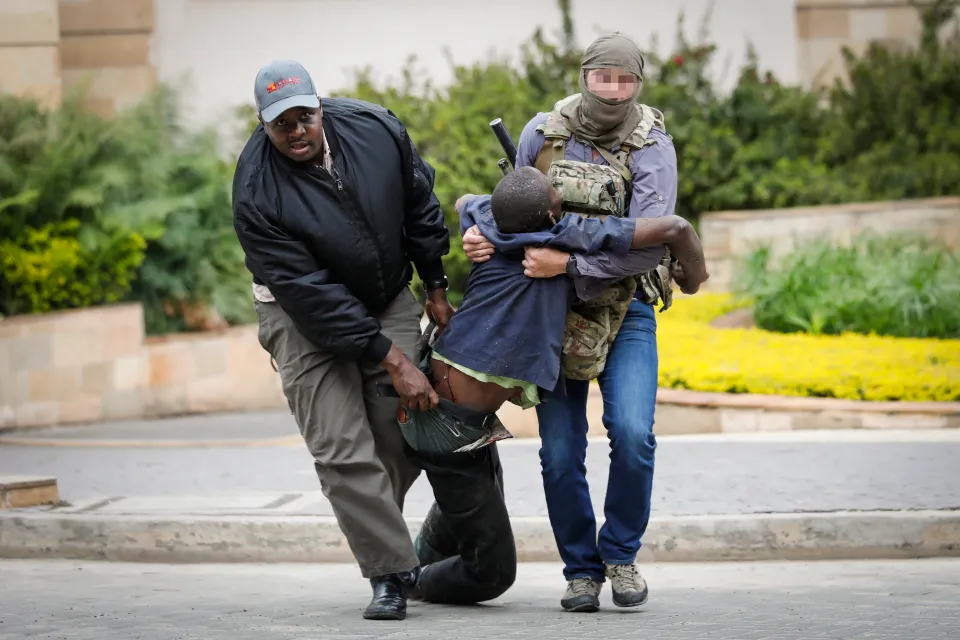
A man can save hundreds without carrying each one in his arms. He can save them by stealing time from the killers, by creating order inside panic, by teaching in the middle of battle and by refusing to let hesitation become policy. This is the most honest defense of the claim made on Craighead’s behalf: the chain of survival for hundreds of people ran through the decision he made at that gate.
The Lives Behind the Number
That is why Meyli Chapin’s appearance during Craighead’s recent Shawn Ryan Show interview is so important. Chapin, author of Terrorist Attack Girl, spent 17 hours trapped in room 316.

She listened to explosions, grenades and gunfire. She exchanged messages with family and workplace security personnel while preparing herself to die. Hope became dangerous because every fresh burst of violence threatened to punish it.
An American security team reached Chapin shortly before Craighead’s group arrived to check her room. She does not embellish that fact. Craighead was not the man who opened her door. His contribution was larger than a single door: his intervention changed the tempo and direction of the entire response, helping create the conditions in which rescuers could reach her.
After she was led out, Chapin sent her family a terrifyingly ambiguous message: “They got me.” She quickly clarified that she meant the good guys. In that correction lies the emotional distance between despair and rescue. A few words turned death back into life.
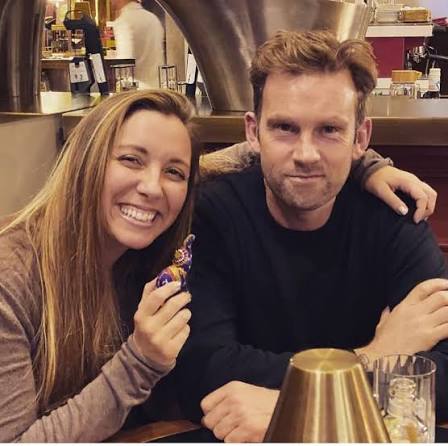
Chapin later married. About a year after the attack, she met Craighead and confronted a truth that photographs had obscured. The masked rescuer was not a mythic figure immune to loss. He was a man who could have died, a man with people who loved him, a man who voluntarily walked into the place she would have given anything to escape.
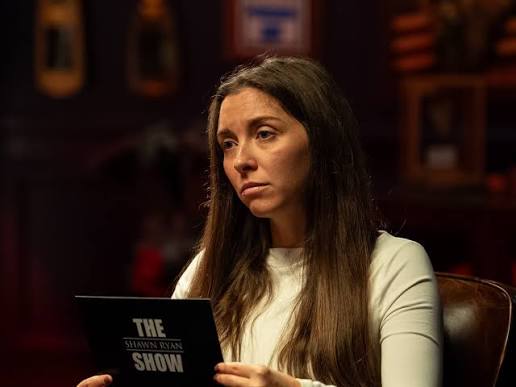
Her gratitude offers the most powerful answer to anyone tempted to reduce Craighead’s action to a breach of protocol or an inconvenient assertion of individual will. Protocol did not marry after Nairobi. A person did. A woman lived long enough to walk down an aisle because men and women moved through that complex to reach her. Craighead helped make that movement possible.
Save one person and you return a daughter to her parents, a sister to her brother, a wife to her husband and a future to children not yet born. Multiply that restoration across hundreds of families and the phrase “700 saved” stops sounding like public relations. It begins to sound almost inadequate.
The dispute is therefore more than a contest between an author and a ministry. Survivors have a stake in the truth of their rescue, and the public has a stake in knowing what courage looked like inside that building.
What Came After Heroism
For his actions, Craighead received the Conspicuous Gallantry Cross. British military guidance places the CGC at level two among operational gallantry honors, with the Victoria Cross alone at level one. The award formally recognized what the images had already shown: Craighead had displayed extraordinary courage in the face of the enemy.
But medals do not answer the question that arrives after the ceremony: What does a warrior do when the event for which he seems to have been prepared is over?
Craighead retired from the Army in September 2020 and settled in the United States. In his first extended interview with Shawn Ryan, episode 92 of the podcast, he spoke about the struggle to find purpose outside military service. He wondered whether he had been fashioned into a specialized tool, used for one decisive task and then rendered useless.
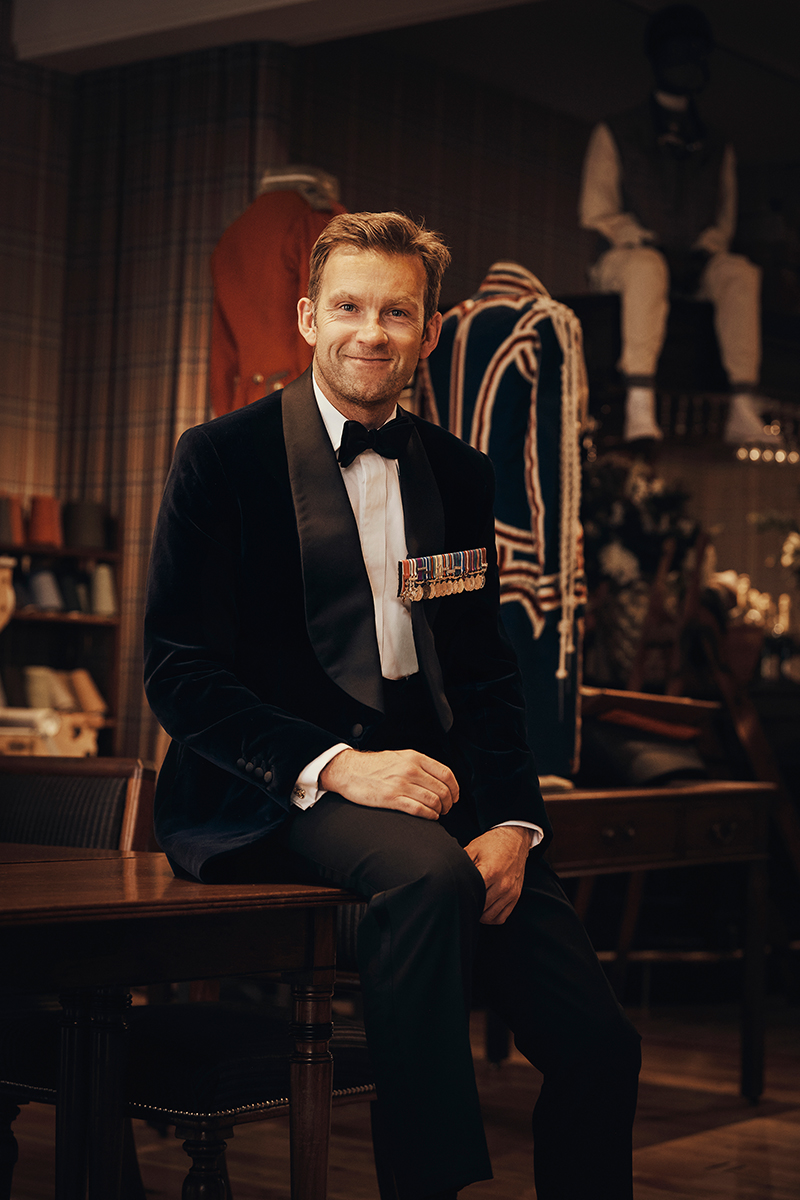
His return for episode 339 shows a man who has moved beyond that fear without pretending the journey was easy. Nairobi, he now believes, was not the end of his purpose but the doorway to another phase of it. The event gave him a platform. The response to his first interview showed that veterans and younger men were listening when he spoke about discipline, despair, faith and meaning.
That evolution deserves respect. Craighead could have built a public identity from bravado alone. Instead, he speaks openly about feeling lost. He admits that courage in a hotel does not automatically teach a man how to live afterward. The honesty enlarges rather than diminishes him. Physical bravery may win the day; moral honesty is what allows the survivor of that day to keep growing.
Faith has become central to that growth. The new interview begins with a Hail Mary and ends with the prayer to St. Michael the Archangel. Craighead remembers the crucifix near his Nairobi doorway, the rosary in his pocket and the prayer spoken before the final fight. A short video drawn from the conversation turns directly to the difficult question of what the Bible says about killing in war.
Craighead’s answer is embodied in his conduct. He distinguishes murder from the force used to stop murder. His faith is not an excuse for bloodlust; it is the framework through which he understands the defense of the innocent. He did not enter rooms asking for nationality, race, politics or religion. He helped whoever needed help. In an age addicted to sorting human worth into competing categories, that universality is quietly radical.
Five Hours on the Shawn Ryan Show
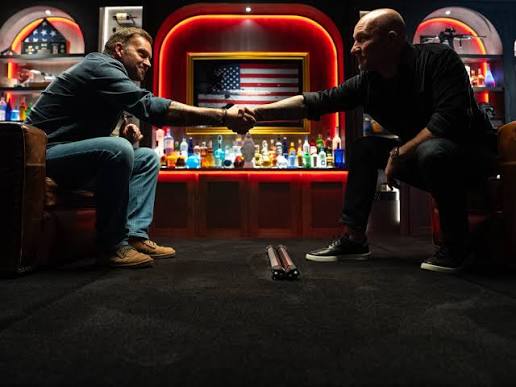
At more than five hours, episode 339 of the Shawn Ryan Show is not a conventional book interview. It is an oral history, tactical debrief, spiritual testimony and legal drama unfolding at the same table.
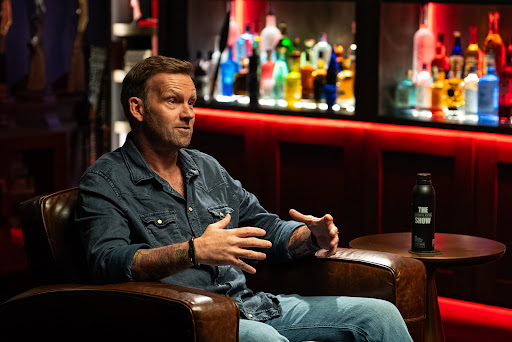
Ryan gives Craighead the one thing official arguments often deny him: time. The conversation lingers over roads, rooms, radios, equipment, wrong assumptions, improvised teams and failed plans. Craighead is allowed to explain not only what he did but what he believed was happening as he did it. That distinction is the difference between legend and history.
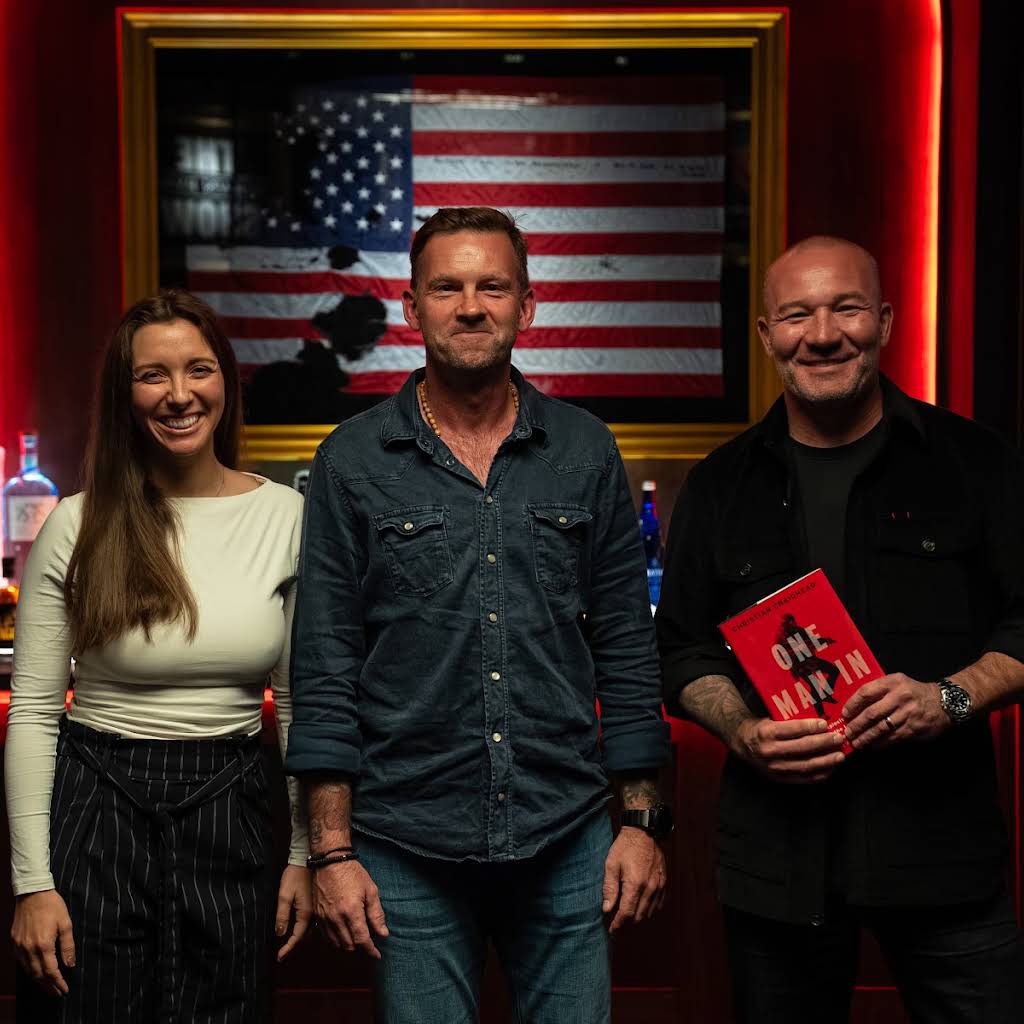
He is frequently funny and admits uncertainty. He even recounts searching hotel rooms partly because his phone was dying and he needed an iPhone charger. Such details rescue the story from marble and return the human being to the legend.
MORE NEWS: Obama–Biden “Green” Fantasy Exposed: Trump Admin Power Move Could Save Over $300 Billion [WATCH]
The interview is also raw. Craighead becomes rightfully frustrated when discussing the British government. He offers broad theories about why officials oppose the book, tying the struggle to class, religion, politics, institutional jealousy and hostility toward the kind of masculine independence he represents. Some of those explanations are interpretations rather than proven facts—but supporting Craighead does not require presenting every theory as established.
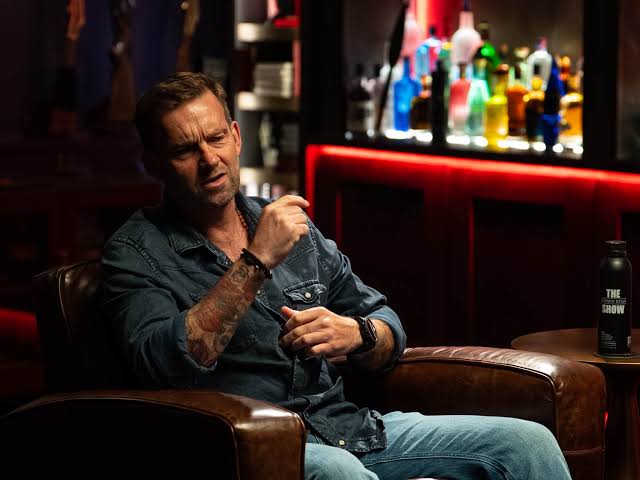
It does require taking seriously the experience beneath his frustration. He sought permission and submitted to a legal process. He says he sold his medals in part to meet legal and financial pressures, that the battle has cost more than $130,000 and that returning to Britain could lead to his arrest. His sense of betrayal is not difficult to understand.
The episode’s most astonishing moment arrives during a break. Craighead checks his email and learns that the British government is moving to seek or serve fresh injunctive relief in the United States. The timing feels almost scripted: a government effort to restrain the story arrives while he is recording the story. Ryan returns furious and offers to connect Craighead with an American lawyer. Craighead says he expected the move, yet the notice still hurts.
That pain matters. Institutions often speak in bloodless phrases—authorization, disclosure, contractual breach—while the individual absorbs the expense, uncertainty and exile those phrases produce. Craighead is not a line in a filing. He is the soldier Britain honored, now defending his name and memory from the country he served for 28 years.
The Legal Battle—and Why Craighead Deserves Defending
The legal case against publication is real and should be described honestly. Like other members of UK Special Forces, Craighead signed a lifelong confidentiality agreement. It required “express prior authority in writing” before he could publish information concerning his special-forces service. He sought that permission. The Defence Secretary refused it in July 2022.
Craighead challenged the refusal under Article 10 of the European Convention on Human Rights. In October 2023, the High Court dismissed his claim. Mrs Justice Steyn concluded that the restriction on his expression was proportionate to the government’s stated aims. The open High Court judgment identifies the protection of lives, national security, confidential information, special-forces effectiveness and relations with foreign partners. Additional reasoning remains in a confidential schedule that the public cannot read.
That last fact is precisely why Craighead deserves a vigorous public defense. The Ministry may have arguments it cannot disclose, but secrecy makes those arguments impossible for ordinary readers to evaluate. The public is asked to trust a conclusion it cannot inspect about a story whose central events were photographed, broadcast and widely discussed.
Craighead says the American edition was rewritten in the United States, contains less sensitive material than the manuscript considered during the 2023 case and does not violate the Official Secrets Act. He openly acknowledges the separate dispute over his confidentiality promise. The government neither confirms nor denies the operational truth of the manuscript.
On September 10, 2026, as the American release approached, Mr Justice Birt granted the Ministry of Defence an interim injunction pending a full hearing. The court heard that the American deal was worth £160,000 and that the government believed the new book was the same as, or substantially similar to, the earlier manuscript. The judge refused the Ministry’s additional request that Craighead preserve his profits or advances. Five days later, the book went on sale in the United States.
Secrecy can protect lives, but principles must be applied with judgment, not worshiped as idols. The public dispute concerns an extraordinary event in full view, not a hidden covert mission. Craighead sought approval, rewrote his account and argues that the book reveals no protected tactics or secret SAS operation.
Most importantly, a confidentiality system worthy of democratic respect should be capable of distinguishing betrayal from testimony. Christian Craighead is not selling out comrades. He is not boasting about a clandestine raid for money. He is describing the day he answered a civilian’s call, entered a hotel under attack and helped save lives in front of the world.
The law may enforce promises that morality views more generously, but readers can reach a moral verdict of their own. Craighead’s case is overwhelming: the country that decorated him should seek a responsible path for his story to be told, not treat the telling as erasure of his service.
A medal says: We want the nation to remember what you did. An injunction says: But only in the form we permit. Between those statements stands a man asking to speak in his own words.
The Meaning of “One Man In”
The title of Craighead’s memoir works because it contains an entire philosophy in three words.
One man in. Not one man waiting for applause. Not one man certain of backup. Not one man protected from consequence. One man moving across the line that everyone else can see and no one else has yet crossed.
Critics may say that militaries cannot function if individuals substitute conscience for command. In ordinary circumstances, they are right. Discipline matters. Orders matter. Coordination matters. But Nairobi was not ordinary. The people inside the complex did not have the luxury of waiting for an ideal chain of command. Craighead’s gift was recognizing the exception without losing the discipline his training had built.
He entered alone, but he did not remain alone. That is the deeper lesson. Real leadership is not the performance of solitary greatness. It is the ability to make courage spread. Armed civilians began helping. Kenyan officers pressed the fight. International security teams moved through the building. Hundreds came out alive. Craighead’s first step did not replace collective action; it summoned it.
The same pattern now surrounds the book. Craighead made the decision to publish in America. Survivors, veterans, readers and interviewers are deciding whether to stand beside him. Defending him does not mean dismissing national security. It means refusing to let the phrase “national security” end every conversation before the evidence can be weighed.
One Man In deserves to be read because it returns human choice to the center of a story often told through institutions and statistics. Twenty-one people were murdered at DusitD2. More would almost certainly have died if responders had moved more slowly. Hundreds survived because Kenyan officers, international teams, courageous civilians and a British SAS soldier acted under conditions that punished delay.
Craighead’s role was singular. He arrived when no one had yet gone inside. He heard murder and refused to remain outside. He rescued the wounded, gathered intelligence, organized strangers, advised an assault force and fought alongside Kenyan officers until the killers were stopped. No later controversy can subtract those facts.
The government may possess the power to burden his book. It does not possess the power to make his courage disappear.
Years from now, the filings will be archived and the political personalities will fade. The photograph will remain: a man moving toward a doorway, carrying the weight of his training and none of the certainty that hindsight provides. Beyond that doorway were people he did not know. He went to them anyway.
That is why Christian Craighead should be defended. Not because heroes are infallible, but because a culture that cannot honor moral courage soon forgets how to produce it. Not because every secret should be spoken, but because the presumption of silence should not swallow a public act of extraordinary service. Not because Craighead needs myth, but because the truth is already enough.
He was one man in. Hundreds came out.
WATCH THE FULL STORY:
The opinions expressed by contributors and/or content partners are their own and do not necessarily reflect the views of Conservative Mix. Contact us for guidelines on submitting your own commentary.
Leave a comment
COMMENTS POLICY: We have no tolerance for messages of violence, racism, vulgarity, obscenity or other such discourteous behavior. Thank you for contributing to a respectful and useful online dialogue.